
Appetite is one of the body's basic signals. When that signal changes, it can affect energy, weight, digestion, mood, medication routines, and daily comfort. In medical language, the word anorexia can mean loss of appetite. This is different from anorexia nervosa, which is an eating disorder and mental health condition. For many adult patients, the word appears during a visit because they are eating less, feeling full too quickly, or no longer feeling hungry in the usual way.
A short-term loss of appetite can happen with stress, a viral illness, travel, a new medication, pain, or a temporary stomach upset. However, appetite loss that continues, keeps returning, or occurs with other symptoms deserves attention. The goal is not to assume the worst. The goal is to understand the pattern, look for treatable causes, and prevent nutrition or health problems from being missed.
This guide explains explain the patient journey for evaluation: history, exam, labs, imaging, stool testing, endoscopy, and follow-up. It is written for adults who want clear, calm, patient-friendly information before deciding what to discuss with a healthcare professional.
Quick Takeaways
- Medical anorexia can mean loss of appetite, not necessarily an eating disorder.
- Temporary appetite loss can happen with short illnesses, stress, travel, or medication changes.
- Persistent appetite loss deserves attention when it affects weight, energy, hydration, or daily meals.
- Digestive symptoms such as nausea, reflux, early fullness, bloating, abdominal pain, constipation, diarrhea, or swallowing trouble can help guide evaluation.
- The right care plan depends on the full symptom pattern, medical history, exam, and test results.
What This Blog Helps You Understand
This article focuses on what your doctor will ask, why blood tests matter, when imaging is helpful, when upper endoscopy or colonoscopy may be considered, and why the plan is personalized. The goal is to give adults a practical explanation they can use before a medical visit. The content is not meant to diagnose you online. It is meant to help you recognize patterns, ask better questions, and know when persistent appetite changes should be discussed with a healthcare professional.
What Loss of Appetite Means
Loss of appetite means you do not feel hungry or you have less desire to eat than usual. Some patients describe it as food not sounding good. Others say they take a few bites and feel finished. Some feel hungry in their mind but become nauseated when they try to eat. The exact description matters because it gives clues about the cause.
Medical anorexia is a symptom, not a final diagnosis. It tells your doctor that something is affecting hunger, digestion, metabolism, emotions, medications, or the way the body responds to illness. Because many conditions can reduce appetite, the evaluation is based on the full picture. Your age, medical history, medication list, weight trend, bowel habits, pain pattern, and test results all help guide the next step.
Many patients worry because they connect the word anorexia with anorexia nervosa. These are not the same. Anorexia nervosa involves restrictive eating behaviors, fear of gaining weight, and body-image concerns. Medical anorexia as a symptom means appetite is reduced or absent. A patient with medical appetite loss may want to eat normally but cannot because nausea, fullness, pain, illness, or another factor is interfering.
Why Testing Is Personalized
There is no single test for appetite loss because appetite can be affected by many systems. A good evaluation begins with the story. The doctor looks for patterns: Is the patient nauseated? Full quickly? Losing weight? Having pain? Having bowel changes? Having abnormal liver tests? Having trouble swallowing?
From there, testing may be simple or more detailed. Some patients need basic labs and medication adjustments. Others may need imaging, stool studies, upper endoscopy, colonoscopy, gastric emptying testing, or specialist coordination. The right plan depends on age, risk factors, symptom severity, duration, and exam findings.
This personalized approach helps avoid both extremes: ignoring important symptoms or ordering unnecessary tests without a clear reason.
Why Appetite Loss Should Be Taken Seriously When It Persists
Eating less for a day or two is common when you are sick. Persistent appetite loss is different. Over time, reduced intake can lead to dehydration, fatigue, muscle loss, vitamin deficiencies, unintentional weight loss, constipation, dizziness, and slower recovery from other conditions. Patients who already have diabetes, liver disease, inflammatory bowel disease, kidney disease, cancer history, or chronic reflux may be more vulnerable to nutrition changes.
A careful medical evaluation can identify causes that are treatable. Sometimes the answer is simple, such as medication timing, constipation, reflux control, or recovery after infection. Sometimes appetite loss is a clue to a condition that needs testing, such as gastritis, ulcer disease, gallbladder disease, liver problems, gastroparesis, inflammatory bowel disease, thyroid disease, chronic infection, depression, or a malignancy.
The most useful question is not, 'Is this definitely serious?' The better question is, 'Is this pattern new, persistent, or connected with other symptoms?' If the answer is yes, it is reasonable to speak with a healthcare professional.
Symptoms to Notice With Tests for Persistent Loss of Appetite
When appetite drops, the surrounding symptoms often tell the story. Notice whether you have upper abdominal burning, sour taste, nausea, vomiting, bloating, early fullness, right-sided pain, diarrhea, constipation, swallowing difficulty, fever, night sweats, fatigue, yellowing of the skin, dark urine, or stool changes. Also pay attention to timing. Symptoms that appear after fatty meals can point in one direction. Symptoms that wake you at night can point in another. Symptoms that started after a new medication or infection may have a different explanation.
It can help to separate appetite loss into three patterns. First, you may not feel hungry at all. Second, you may feel hungry but become full quickly. Third, you may avoid food because eating causes discomfort. Each pattern helps your clinician decide whether the issue is more likely related to the stomach, esophagus, bowel, liver, gallbladder, pancreas, medications, hormones, infection, mental health, or another cause.
Possible Digestive Causes
Several digestive conditions can reduce appetite. Acid reflux can make eating uncomfortable because meals trigger burning, regurgitation, nausea, throat irritation, or chest discomfort. Gastritis and ulcers can cause upper abdominal pain, nausea, or a gnawing feeling that makes meals unpleasant. Delayed stomach emptying can cause early fullness, bloating, nausea, and vomiting. Constipation can create abdominal pressure and a sense of fullness that reduces interest in food.
Liver, gallbladder, bile duct, and pancreas conditions can also affect appetite. Some patients feel worse after fatty meals. Others notice yellowing of the eyes, dark urine, pale stool, itching, fever, or pain under the right ribs or in the upper abdomen. Inflammatory bowel disease, infections, and malabsorption conditions can reduce appetite through diarrhea, cramping, inflammation, or nutrient loss.
The important point is that appetite loss is often a signal. It does not identify the cause by itself, but it can guide the next step when combined with the rest of your symptoms.
Non-Digestive Causes That Can Still Affect Eating
Not every appetite problem starts in the digestive tract. Many whole-body conditions can reduce hunger. Viral and bacterial infections can temporarily suppress appetite. Thyroid problems, kidney disease, heart disease, chronic pain, uncontrolled diabetes, depression, anxiety, grief, and some cancers can affect eating patterns. Medications can also play a major role.
This is why a complete evaluation matters. A gastroenterologist may focus on the digestive system, but they still consider the whole patient. If symptoms suggest a non-GI cause, your care may involve your primary care clinician or another specialist. Good care does not force every symptom into one category. It follows the clues.
Symptoms That Should Not Be Ignored
Seek medical advice promptly if loss of appetite occurs with unintentional weight loss, ongoing vomiting, black or bloody stool, yellowing of the skin or eyes, severe abdominal pain, fever, trouble swallowing, food getting stuck, persistent diarrhea, dehydration, chest pain, confusion, or weakness that affects daily activities.
These symptoms do not always mean something dangerous is happening, but they do mean the body is sending a stronger signal. For example, black stool can suggest bleeding in the digestive tract. Yellow skin or dark urine can point toward liver or bile duct problems. Trouble swallowing may require evaluation of the esophagus. Persistent vomiting can lead to dehydration and electrolyte problems.
Patients should also seek care if appetite loss lasts more than a few weeks, keeps returning, or causes a noticeable change in clothing fit, strength, or ability to complete normal routines. Earlier evaluation can often make the process simpler because your doctor can compare symptoms, labs, and imaging before problems become more advanced.
How a Gastroenterologist May Evaluate Appetite Loss
A gastroenterologist starts with a detailed history. You may be asked when the appetite change began, whether it happened suddenly or gradually, what foods are hardest to tolerate, whether symptoms are worse after meals, and whether you have nausea, reflux, abdominal pain, bloating, constipation, diarrhea, swallowing problems, or weight loss.
Your medication and supplement list matters. Some antibiotics, pain medicines, diabetes medicines, heart medicines, iron supplements, vitamins, and over-the-counter products can affect nausea, taste, stool patterns, or appetite. Alcohol use, tobacco use, recent travel, infections, surgeries, and prior gallbladder removal can also provide clues.
Testing depends on the situation. Your doctor may consider blood work to check anemia, inflammation, liver enzymes, kidney function, thyroid levels, blood sugar, or nutrition markers. Stool tests may be used if diarrhea, infection, or bleeding is suspected. Imaging may be considered for pain, abnormal labs, weight loss, or concern about liver, gallbladder, pancreas, or bowel conditions. Upper endoscopy, colonoscopy, or other tests may be recommended when symptoms point toward the esophagus, stomach, small intestine, or colon. The plan should match the patient's story rather than follow a one-size-fits-all approach.
Treatment Depends on the Cause
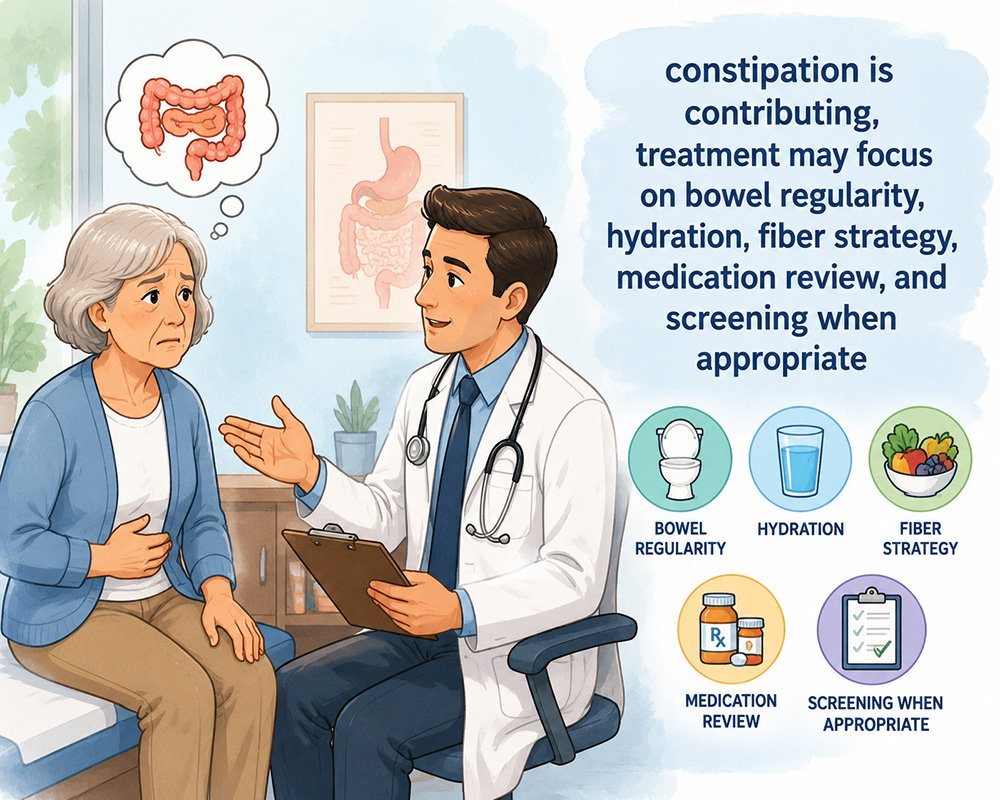
Treatment for appetite loss depends on what is causing it. If reflux is the main issue, care may focus on acid control, meal timing, and evaluating the esophagus if warning signs are present. If constipation is contributing, treatment may focus on bowel regularity, hydration, fiber strategy, medication review, and screening when appropriate. If nausea and early fullness suggest delayed stomach emptying, dietary changes and additional testing may be considered.
If gallbladder, bile duct, liver, or pancreas concerns are present, blood tests and imaging may guide next steps. If appetite loss is linked to medication side effects, your clinician may adjust timing, dose, or alternatives. If nutrition risk is present, a dietitian may be helpful. If an eating disorder or significant anxiety around food is suspected, mental health support is important and should be approached with respect and without blame.
The best plan is specific to the patient. Generic advice may help for a short time, but persistent symptoms deserve a plan based on the actual cause.
What Patients Can Track Before an Appointment
A simple symptom record can make your visit more productive. Write down when appetite changed, how many meals you are able to eat, whether you feel full quickly, and which symptoms appear before or after meals. Note weight changes, fever, stool color, bowel frequency, vomiting, heartburn, pain location, and any foods that seem to trigger symptoms.
Bring a list of medications, supplements, recent antibiotics, and recent test results. If you had an ultrasound, CT scan, endoscopy, colonoscopy, blood work, or pathology report, bring a copy or ask that it be sent to your doctor.
Do not force large meals if they make nausea or fullness worse. Many patients do better temporarily with smaller, more frequent meals, fluids between meals, and bland foods while waiting for evaluation. However, diet changes should not replace medical care when symptoms are persistent, worsening, or linked with red flags.
What This Means for Patients
Loss of appetite can feel confusing because it is not always painful. Some patients delay care because they think they are simply busy, stressed, aging, or eating less by choice. Others become frightened because they search online and find worst-case explanations. A balanced approach is better.
If your appetite returns quickly and you feel well, monitoring may be enough. If appetite loss continues, changes your weight, limits meals, or appears with digestive symptoms, it is worth getting medical guidance. You do not need to diagnose yourself before making an appointment. Your job is to explain what changed. Your clinician's job is to help find out why.
Clear follow-up can reduce unnecessary worry and help catch treatable problems earlier.
Questions to Ask Your Doctor
- What could be causing my appetite loss based on my symptoms?
- Do any of my medications or supplements commonly reduce appetite or cause nausea?
- Should I have blood work to check anemia, liver enzymes, thyroid function, inflammation, or nutrition markers?
- Do my symptoms suggest reflux, gastritis, delayed stomach emptying, constipation, gallbladder disease, liver disease, or another GI condition?
- Do I need imaging, endoscopy, colonoscopy, stool tests, or follow-up weight monitoring?
- What symptoms should make me seek urgent care?
- What can I safely eat or drink while we are evaluating the cause?
The Bottom Line
Loss of appetite can be temporary and mild, but it should not be ignored when it lasts, returns, or appears with other digestive or whole-body symptoms. A patient-facing approach is simple: notice the pattern, protect hydration and nutrition, review medications, and seek care when the change does not resolve.
A gastroenterology evaluation can help identify whether the issue is related to reflux, stomach inflammation, delayed stomach emptying, constipation, liver or gallbladder disease, bowel inflammation, medication side effects, or another medical concern. The purpose of testing is not to create fear. It is to guide the right plan and avoid guessing.
If appetite loss is affecting your daily life or causing worry, speaking with a medical professional is a reasonable next step.