
Pancreatic Cancer Risk Factors in Cypress, TX: Who Needs a Risk Review?
Smoking, family history, certain inherited variants, chronic pancreatitis, diabetes and excess body weight can affect risk. Most people with one factor will not develop pancreatic cancer; average-risk screening is not recommended. The number and relationship of affected relatives and their ages at diagnosis can change whether genetic counseling is appropriate.
Key Takeaways
- Smoking, family history, certain inherited variants, chronic pancreatitis, diabetes and excess body weight can affect risk. Most people with one factor will not develop pancreatic cancer; average-risk screening is not recommended.
- The number and relationship of affected relatives and their ages at diagnosis can change whether genetic counseling is appropriate.
- Diabetes is associated with risk, while new-onset diabetes can sometimes be a clue to disease; most new diabetes is not pancreatic cancer.
- Jaundice, unexplained weight loss or persistent upper abdominal and back pain warrants assessment rather than a preventive screening label.
- New jaundice, dark urine, pale stool, persistent vomiting or unexplained weight loss needs prompt assessment; fever with jaundice or severe pain requires urgent evaluation.

Separate a contributing factor from a diagnosis
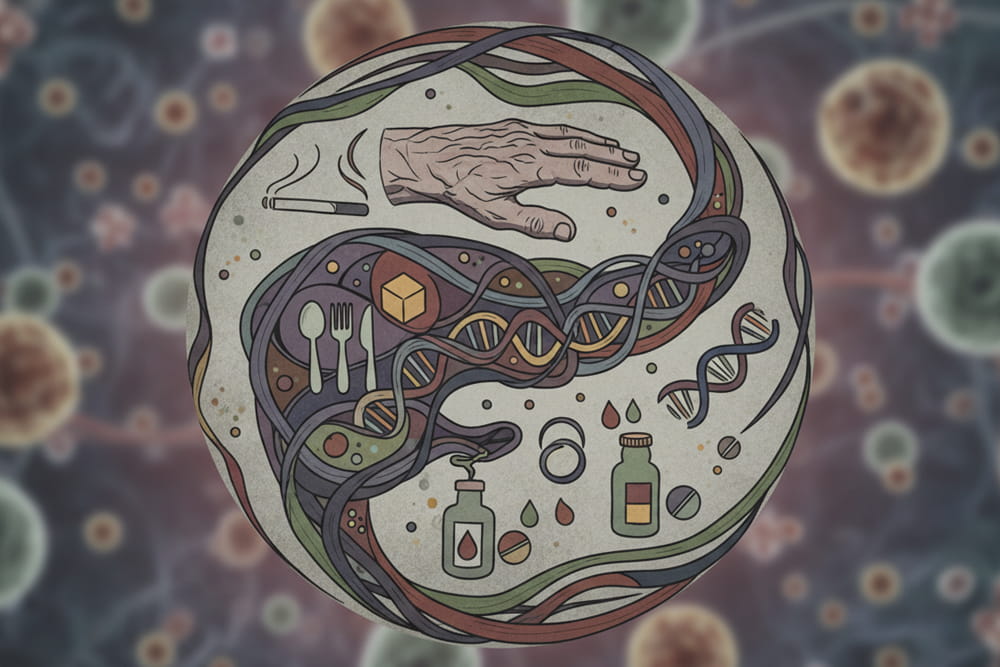
Risk is a conversation about personal and family history, not a reason for everyone to get a scan. Ask whether inherited risk merits a genetics referral. Smoking, family history, certain inherited variants, chronic pancreatitis, diabetes and excess body weight can affect risk. Most people with one factor will not develop pancreatic cancer; average-risk screening is not recommended.
Risk is a conversation about personal and family history, not a reason for everyone to get a scan. Ask whether inherited risk merits a genetics referral. Review the pancreatic cancer overview and pancreatic cancer journey before deciding what this finding means for you.
Pancreatic Cancer Risk Factors in Cypress, TX: Who Needs a Risk Review?
Family history detail
The number and relationship of affected relatives and their ages at diagnosis can change whether genetic counseling is appropriate.
Inherited variants
A pathogenic variant in genes such as BRCA2 or PALB2 may affect risk, but testing and surveillance decisions need specialist interpretation.
Smoking exposure
Smoking raises pancreatic cancer risk, and stopping tobacco use is a meaningful action even when family history cannot be changed.
Chronic pancreatitis
Long-standing pancreatic inflammation is associated with higher risk; the diagnosis and underlying cause matter to a specialist review.
Diabetes context
Diabetes is associated with risk, while new-onset diabetes can sometimes be a clue to disease; most new diabetes is not pancreatic cancer.
Weight and activity
Excess body weight is linked to risk, but weight management cannot guarantee prevention or replace evaluation of symptoms.
No routine average-risk scan
Pancreatic cancer screening is not recommended for average-risk people; high-risk surveillance is a specialized decision.
Symptoms need diagnosis
Jaundice, unexplained weight loss or persistent upper abdominal and back pain warrants assessment rather than a preventive screening label.
What the evidence can and cannot establish
Smoking, family history, certain inherited variants, chronic pancreatitis, diabetes and excess body weight can affect risk. Most people with one factor will not develop pancreatic cancer; average-risk screening is not recommended. NCI — pancreatic cancer risk factors explains the core evidence. A pathogenic variant in genes such as BRCA2 or PALB2 may affect risk, but testing and surveillance decisions need specialist interpretation.
NCI — pancreatic cancer screening and NCI — pancreatic cancer symptoms add testing or care context. Diabetes is associated with risk, while new-onset diabetes can sometimes be a clue to disease; most new diabetes is not pancreatic cancer.
Turn the observation into a clinical decision
Clarify the age and relationship of affected relatives and any known mutation before deciding whether a high-risk program is appropriate.
Document which relatives had pancreatic cancer and their ages at diagnosis, relevant genetic results, smoking and diabetes history, and any new symptoms. Ask whether genetic counseling or a high-risk program applies.
Jaundice, unexplained weight loss or persistent upper abdominal and back pain warrants assessment rather than a preventive screening label. New jaundice, dark urine, pale stool, persistent vomiting or unexplained weight loss needs prompt assessment; fever with jaundice or severe pain requires urgent evaluation.
Match the next step to the situation
Address modifiable risks, and use specialized surveillance only when an experienced team determines that an increased-risk history warrants it. The pancreatic cyst overview provides a related path.
Diabetes is associated with risk, while new-onset diabetes can sometimes be a clue to disease; most new diabetes is not pancreatic cancer. Confirm which finding would change the next decision.
Stable question
The number and relationship of affected relatives and their ages at diagnosis can change whether genetic counseling is appropriate.
Persistent or unclear
Document which relatives had pancreatic cancer and their ages at diagnosis, relevant genetic results, smoking and diabetes history, and any new symptoms. Ask whether genetic counseling or a high-risk program applies.
Urgent change
New jaundice, dark urine, pale stool, persistent vomiting or unexplained weight loss needs prompt assessment; fever with jaundice or severe pain requires urgent evaluation.
Treatment and a measurable follow-up
Avoid tobacco, address weight and diabetes with a clinician, and make a prompt diagnostic appointment for a new concerning symptom.
Address modifiable risks, and use specialized surveillance only when an experienced team determines that an increased-risk history warrants it.
The cypress office can help arrange a planned review; confirm who communicates results.
When to seek care sooner
New jaundice, dark urine, pale stool, persistent vomiting or unexplained weight loss needs prompt assessment; fever with jaundice or severe pain requires urgent evaluation.
For new severe symptoms, do not wait for a routine portal response or a food trial; give the care team the onset and associated signs.
- New jaundice or dark urine
- Unexplained weight loss with persistent symptoms
- Fever with jaundice or severe abdominal pain
A short plan to take away
- List affected relatives, relationship and age at diagnosis.
- Bring any genetic test report and ask whether counseling is appropriate.
- Review smoking, pancreatitis and diabetes history with the clinician.
- Ask whether your risk warrants specialized surveillance or only routine care.
Frequently Asked Questions
Does one relative with pancreatic cancer mean I need screening?
The number and relationship of affected relatives and their ages at diagnosis can change whether genetic counseling is appropriate.
Which inherited genes can increase pancreatic cancer risk?
A pathogenic variant in genes such as BRCA2 or PALB2 may affect risk, but testing and surveillance decisions need specialist interpretation.
Does quitting smoking lower pancreatic cancer risk in Cypress?
Smoking raises pancreatic cancer risk, and stopping tobacco use is a meaningful action even when family history cannot be changed.
Does chronic pancreatitis mean I will get pancreatic cancer?
Long-standing pancreatic inflammation is associated with higher risk; the diagnosis and underlying cause matter to a specialist review.
Should new diabetes make me worry about pancreatic cancer?
Diabetes is associated with risk, while new-onset diabetes can sometimes be a clue to disease; most new diabetes is not pancreatic cancer.
Can weight loss prevent pancreatic cancer completely?
Excess body weight is linked to risk, but weight management cannot guarantee prevention or replace evaluation of symptoms.
Should everyone over 55 get pancreatic cancer imaging?
Pancreatic cancer screening is not recommended for average-risk people; high-risk surveillance is a specialized decision.
What symptoms should prompt a pancreatic evaluation?
Jaundice, unexplained weight loss or persistent upper abdominal and back pain warrants assessment rather than a preventive screening label.
Medical References
- NCI — pancreatic cancer risk factors
- NCI — pancreatic cancer screening
- NCI — pancreatic cancer symptoms
This article provides general education about pancreatic cancer risk review in Cypress; it is not an individual diagnosis or treatment plan. In the United States, call 911 for a medical emergency.

Make a Clear Care Plan
Bring the original report, a dated symptom timeline, and a medicine list. Confirm who communicates the next result and when.