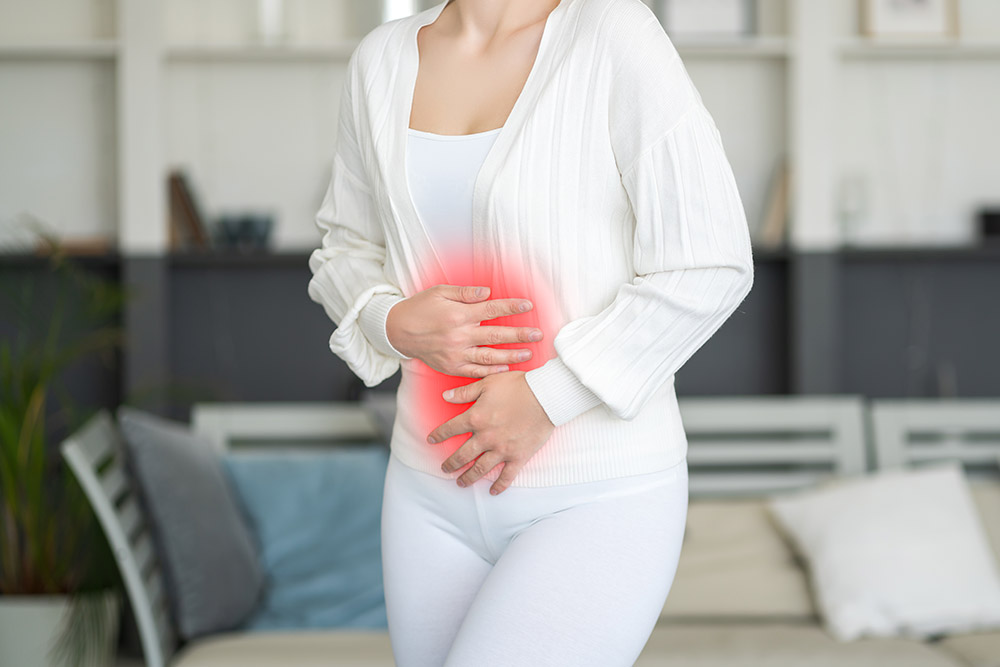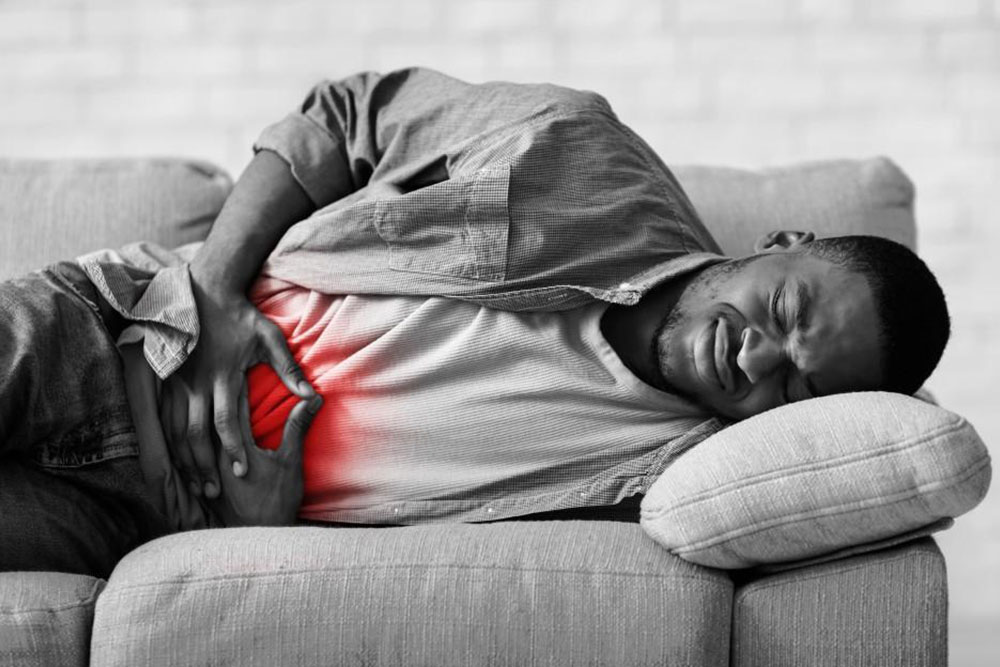
Lower abdominal pain is a common complaint that affects people of all ages. This type of pain can range from mild discomfort to sharp, intense pain and can be associated with a variety of underlying conditions. In many cases, it’s not just a digestive issue; lower abdominal pain can also be related to reproductive, urinary, or muscular problems. Identifying the cause of lower abdominal pain is essential in determining the appropriate treatment and preventing further complications.
In this blog, we will explore the common causes of lower abdominal pain, the symptoms associated with each condition, when to seek medical attention, and potential treatment options. Whether your pain is occasional or persistent, this guide will help you understand what might be happening in your body.
What Causes Lower Abdominal Pain?
Lower abdominal pain can be caused by various conditions, ranging from digestive issues to reproductive problems. Let’s look at the most common causes of lower abdominal pain.
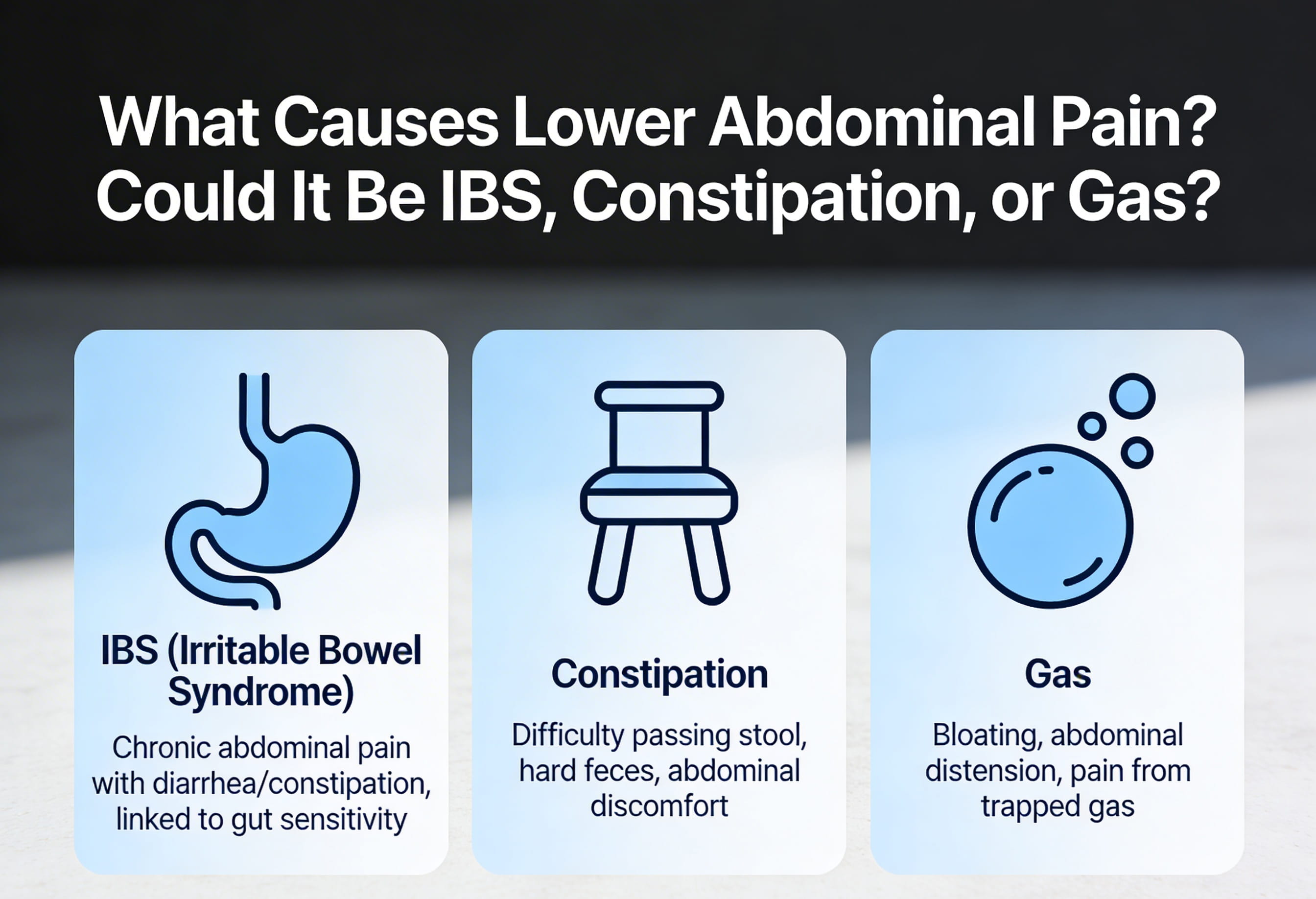
1. Digestive Issues: Could It Be IBS, Constipation, or Gas?
One of the most common causes of lower abdominal pain is digestive issues. Irritable Bowel Syndrome (IBS), constipation, and gas buildup are often to blame for discomfort in the lower abdomen. These conditions can cause cramping, bloating, and discomfort that is sometimes relieved by passing gas or having a bowel movement.
Irritable Bowel Syndrome (IBS)
IBS is a chronic gastrointestinal disorder that causes a combination of symptoms, including lower abdominal pain, bloating, gas, and changes in bowel habits. People with IBS often experience pain that is relieved by passing stool or gas.
Symptoms of IBS:
- Lower abdominal cramps or pain
- Bloating and gas
- Diarrhea or constipation
- Mucus in the stool
- Nausea
IBS is a long-term condition that can be managed with dietary changes, stress reduction, and medications.
Constipation
Constipation occurs when bowel movements become less frequent, and the stool becomes hard and difficult to pass. The buildup of stool in the colon can cause cramping and discomfort in the lower abdomen.
Symptoms of Constipation:
- Infrequent bowel movements
- Straining to pass stool
- Painful bowel movements
- Abdominal bloating and discomfort
Constipation can be managed with increased fiber intake, hydration, and, in some cases, laxatives or stool softeners.
Gas Buildup
Gas in the digestive tract is a natural byproduct of digestion, but when there is an excess of gas, it can cause discomfort and bloating in the lower abdomen. This can be triggered by certain foods, overeating, or swallowing air while eating.
Symptoms of Gas Buildup:
- Bloating
- Burping or flatulence
- Abdominal cramping or sharp pain
In most cases, gas buildup is temporary and can be alleviated with dietary adjustments and over-the-counter gas-relief medications.
2. Reproductive Organs: Is It Related to Ovulation, Menstruation, or Ovarian Cysts?
For women, lower abdominal pain can be related to menstruation, ovulation, or ovarian cysts. These conditions can cause discomfort in the lower abdomen that is often cyclical and linked to the menstrual cycle.
Menstrual Cramps (Dysmenorrhea)
Dysmenorrhea is the medical term for menstrual cramps, which occur just before or during menstruation. These cramps can cause intense, cramping pain in the lower abdomen and pelvic region.
Symptoms of Menstrual Cramps:
- Lower abdominal cramps
- Bloating
- Fatigue
- Nausea
Most menstrual cramps can be managed with over-the-counter pain relievers such as ibuprofen, as well as lifestyle changes like exercise and heat therapy.
Ovulation Pain (Mittelschmerz)
Mittelschmerz is a sharp or cramping pain that occurs during ovulation, typically around the middle of a woman’s menstrual cycle. The pain occurs in the lower abdomen, usually on one side, and is short-lived.
Symptoms of Ovulation Pain:
- Sharp or cramp-like pain in the lower abdomen
- Pain on one side of the abdomen (depending on which ovary is releasing an egg)
Ovulation pain is typically mild and self-limiting, requiring no treatment. However, if the pain is severe or prolonged, it’s important to consult a doctor.
Ovarian Cysts
An ovarian cyst is a fluid-filled sac that forms on an ovary. In many cases, ovarian cysts don’t cause any symptoms. However, large cysts or those that rupture can lead to sudden and severe lower abdominal pain.
Symptoms of Ovarian Cysts:
- Sudden, sharp pain in the lower abdomen
- Bloating or feeling full quickly
- Pain during intercourse
- Irregular menstrual cycles
Ovarian cysts are usually diagnosed with ultrasound, and if they cause pain, they may require surgical removal.
3. Urinary Tract Infections (UTIs) and Bladder Issues
Urinary tract infections (UTIs) and bladder issues can also lead to lower abdominal pain, particularly in the lower pelvic area. UTIs are common, especially in women, and can cause symptoms such as pain or discomfort during urination, as well as lower abdominal pressure.
Urinary Tract Infections (UTIs)
A UTI occurs when bacteria enter the urinary tract, leading to an infection in the bladder or kidneys. The pain typically occurs in the lower abdomen, and it may be accompanied by a frequent urge to urinate.
Symptoms of UTIs:
- Lower abdominal pain or pressure
- Painful urination (dysuria)
- Frequent urge to urinate
- Cloudy or strong-smelling urine
- Blood in the urine
UTIs can be treated with antibiotics, but if left untreated, they can lead to kidney infections.
Bladder Infections or Cystitis
Cystitis is the inflammation of the bladder, which can cause lower abdominal pain, especially in the pelvic region. It’s often associated with UTIs but can also occur independently due to irritants like chemicals or allergens.
Symptoms of Cystitis:
- Painful urination
- Frequent urination
- Lower abdominal discomfort
Treatment typically involves antibiotics, but drinking plenty of water and avoiding irritants like harsh soaps or perfumed products can help prevent recurrence.
4. Hernias: Can a Hernia Cause Lower Abdominal Pain?
A hernia occurs when an organ or tissue pushes through a weak spot in the abdominal wall. This can cause pain, especially when lifting heavy objects or straining during bowel movements. Hernias can lead to persistent discomfort in the lower abdomen.
Symptoms of Hernias:
- A visible bulge in the abdomen or groin area
- Pain or discomfort, especially when lifting or bending over
- Nausea or vomiting (in severe cases)
In some cases, hernias may require surgery to repair the weakened abdominal wall and prevent further complications.
5. Inflammatory Bowel Disease (IBD): Could It Be Crohn’s or Ulcerative Colitis?
Inflammatory Bowel Disease (IBD) includes conditions like Crohn’s disease and ulcerative colitis, which cause chronic inflammation of the gastrointestinal tract. Both conditions can lead to lower abdominal pain, along with other symptoms like diarrhea, blood in the stool, and fatigue.
Crohn’s Disease
Crohn’s disease can affect any part of the digestive tract but most commonly impacts the lower part of the small intestine and the colon. The inflammation can lead to pain, cramping, and other digestive issues.
Symptoms of Crohn’s Disease:
- Lower abdominal pain and cramping
- Diarrhea (sometimes with blood)
- Weight loss
- Fatigue
- Fever
Ulcerative Colitis
Ulcerative colitis affects the colon and rectum, causing inflammation and ulcers in the lining of the large intestine. It is characterized by periodic flare-ups, during which lower abdominal pain and discomfort can be severe.
Symptoms of Ulcerative Colitis:
- Abdominal pain or cramping
- Diarrhea (often with blood or mucus)
- Urgency to have bowel movements
- Fatigue
- Fever
Both Crohn’s disease and ulcerative colitis are chronic conditions that require lifelong management with medications, dietary changes, and sometimes surgery.
When Should You See a Doctor for Lower Abdominal Pain?
While occasional lower abdominal pain is common and usually not a cause for concern, there are situations when you should seek immediate medical attention. These include:
- Severe pain that does not go away or worsens over time
- Pain with fever, chills, or vomiting
- Blood in the stool or urine
- Pain that radiates to the back
- Inability to pass gas or have a bowel movement
- Sudden, sharp pain with no known cause
If you experience any of these symptoms, it is important to seek medical care immediately.
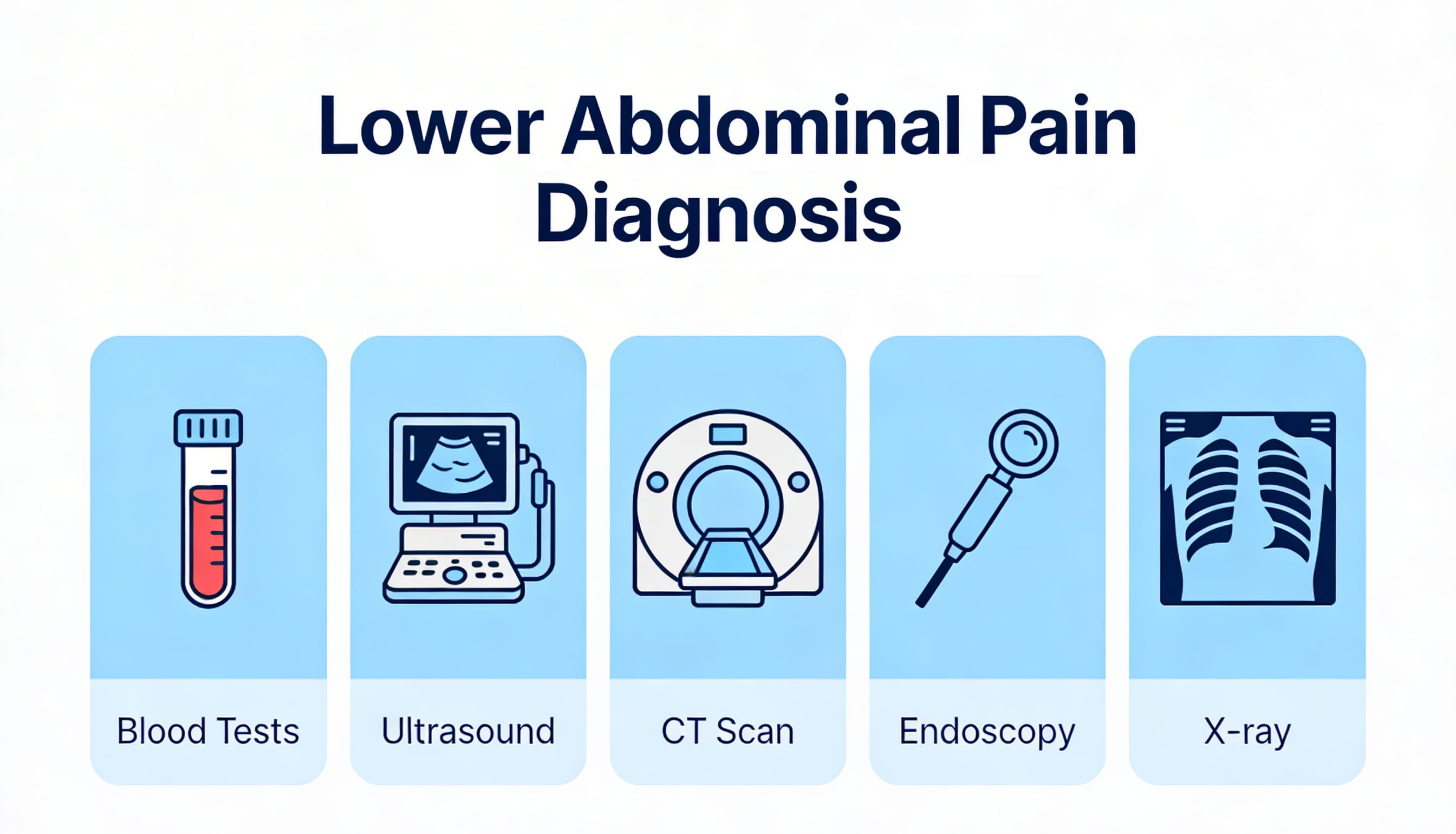
How Is Lower Abdominal Pain Diagnosed?
To diagnose the cause of lower abdominal pain, your healthcare provider will likely perform a physical exam and ask about your symptoms, medical history, and eating habits. Depending on your symptoms, they may recommend several tests, including:
1. Blood Tests
Blood tests can check for infection, inflammation, or signs of organ dysfunction.
2. Ultrasound
An ultrasound can help detect issues with organs like the liver, gallbladder, kidneys, and uterus, as well as check for hernias.
3. CT Scan
A CT scan provides detailed images of the abdominal organs and can help diagnose conditions like appendicitis, IBD, or diverticulitis.
4. Endoscopy
Endoscopy allows doctors to view the digestive tract directly to diagnose issues like ulcers, gastritis, or Crohn’s disease.
5. X-ray
An X-ray may be used to check for intestinal blockages or hernias.
Treatment Options for Lower Abdominal Pain
Treatment for lower abdominal pain depends on the underlying cause. Here are some common treatment options:
1. Medications
- Antacids: For acid reflux or gastritis.
- Antibiotics: For bacterial infections like UTIs or diverticulitis.
- Pain relievers: For mild to moderate pain.
- Anti-inflammatory drugs: For conditions like IBD or IBS.
2. Surgery
- Appendectomy: For appendicitis.
- Gallbladder removal: For gallstones causing recurring pain.
- Hernia repair surgery: For severe hernias.
3. Lifestyle Modifications
- Dietary changes: For IBS, IBD, or constipation-related pain.
- Stress management: For stress-induced digestive issues.
- Hydration: To help with constipation and bloating.
Prevention of Lower Abdominal Pain
While some causes of lower abdominal pain are unavoidable, these lifestyle changes can help reduce your risk:
- Eat a high-fiber diet to prevent constipation.
- Drink plenty of water to aid digestion.
- Exercise regularly to maintain a healthy digestive system.
- Manage stress through relaxation techniques.
- Avoid trigger foods if you have food intolerances or IBS.