Chest pain is one of the most alarming symptoms a person can experience. It is often associated with heart problems, but not all chest pain originates from the heart. In many cases, digestive conditions such as gastritis can produce discomfort that feels similar to chest pain.
This overlap can be confusing and even frightening. Understanding how gastritis causes chest pain—and how to differentiate it from more serious conditions—is essential for making informed decisions about your health.
What is Gastritis?
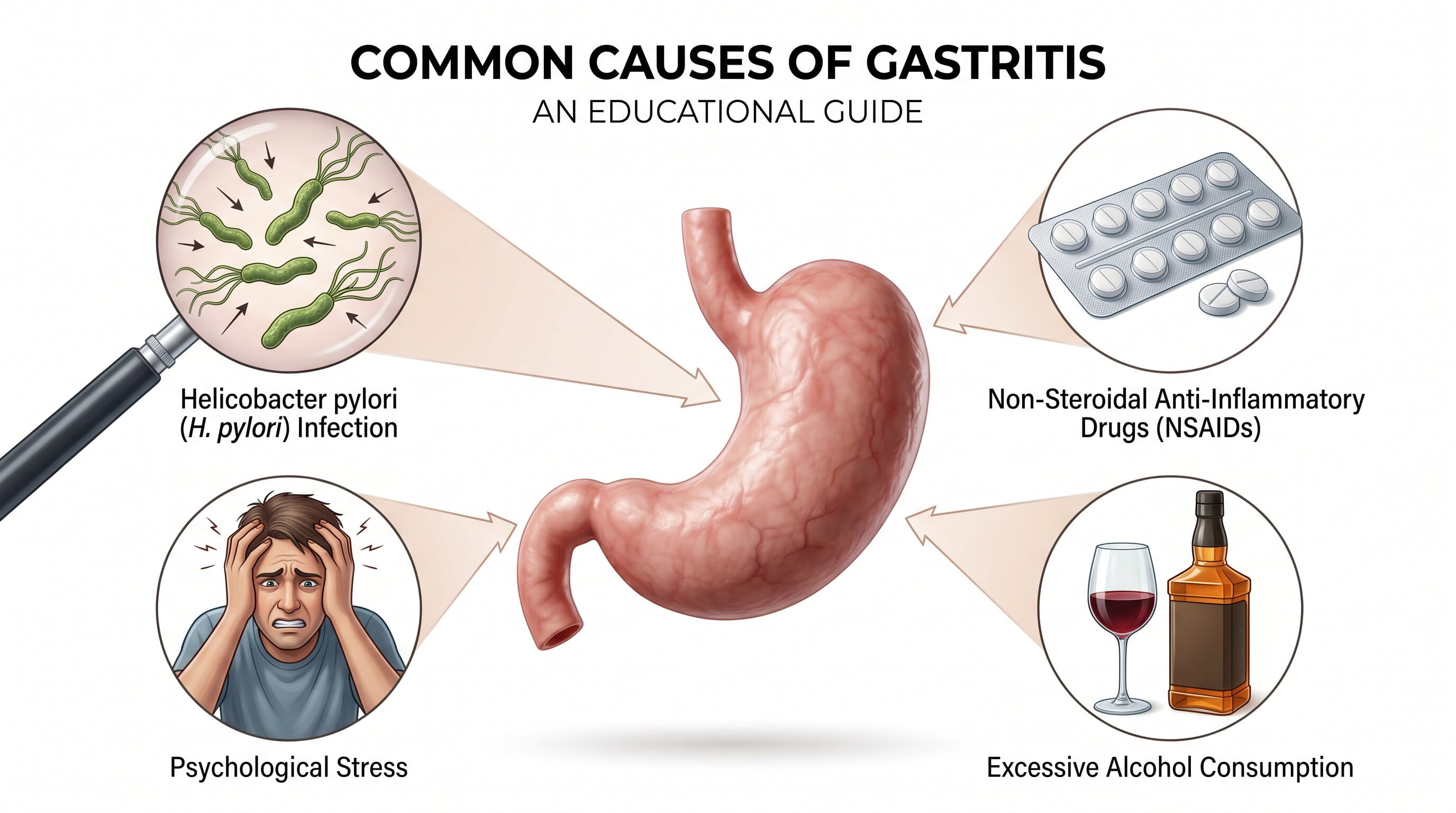
Gastritis is inflammation of the stomach lining. It occurs when the protective barrier of the stomach is weakened, allowing acid to irritate the lining.
Common causes include:
- Infection with Helicobacter pylori
- Frequent use of medications like Ibuprofen
- Alcohol consumption
- Stress
Although gastritis primarily affects the stomach, the discomfort it causes can sometimes be felt beyond the abdomen.
Can Gastritis Really Cause Chest Pain?
Yes, gastritis can cause chest pain, but it is not the most typical symptom. The pain usually originates in the upper abdomen and may radiate upward toward the chest.
This happens because:
- The stomach is located close to the chest cavity
- Nerve signals from the stomach can be perceived in the chest
- Acid irritation can create a burning sensation that travels upward
This type of pain is often mistaken for heart-related issues.
What Does Gastritis-Related Chest Pain Feel Like?
Chest pain caused by gastritis often has specific characteristics:
- Burning or gnawing sensation
- Located in the upper abdomen but spreading toward the chest
- May worsen after eating
- Often associated with bloating or nausea
Unlike heart-related pain, it is usually linked to digestive symptoms.
Why Gastritis Causes Chest Discomfort
Acid Irritation
Excess stomach acid irritates the inflamed lining, creating a burning sensation that can extend upward.
Referred Pain
The nerves supplying the stomach and chest are interconnected. This can cause pain originating in the stomach to be felt in the chest.
Overlap with Acid Reflux
Gastritis can occur alongside acid reflux, where acid moves into the esophagus.
This condition, known as Gastroesophageal Reflux Disease, is a more common cause of chest burning.
Gastritis vs Heart-Related Chest Pain
Distinguishing between these two is critical.
Features of Gastritis-Related Chest Pain
- Linked to meals
- Associated with nausea or bloating
- Improves with antacids
- Located in upper abdomen and chest
Features of Heart-Related Chest Pain
- Pressure or tightness in the chest
- Pain radiating to the arm, jaw, or back
- Shortness of breath
- Sweating or dizziness
Heart-related chest pain may indicate a serious condition like Heart Attack and requires immediate attention.
When Chest Pain is Not from Gastritis
Not all chest pain is digestive. It is important to rule out other causes such as:
- Cardiac conditions
- Lung issues
- Musculoskeletal pain
If there is any doubt, medical evaluation is essential.
Warning Signs That Require Immediate Attention
Seek urgent medical care if chest pain is:
- Sudden and severe
- Accompanied by shortness of breath
- Associated with sweating or dizziness
- Radiating to the arm or jaw
These may indicate a medical emergency.
Other Symptoms That Suggest Gastritis
Chest pain related to gastritis is usually accompanied by:
- Upper abdominal discomfort
- Nausea
- Bloating
- Loss of appetite
- Indigestion
These associated symptoms help differentiate it from cardiac causes.
How Gastritis is Diagnosed
Doctors use a combination of history, examination, and tests.
Diagnostic methods include:
- Blood tests
- Stool tests
- Breath tests for Helicobacter pylori
An Upper Endoscopy may be recommended to examine the stomach lining directly.
Treatment for Gastritis-Related Chest Pain
Medications
Acid-reducing medications like Omeprazole help relieve symptoms and promote healing.
Dietary Changes
- Avoid spicy and acidic foods
- Reduce caffeine intake
- Eat smaller meals

Lifestyle Modifications
- Manage stress
- Avoid alcohol and smoking
- Maintain regular eating habits
Can Gastritis Chest Pain Be Prevented?
Yes, prevention focuses on reducing triggers:
- Avoid overuse of NSAIDs
- Maintain a balanced diet
- Manage stress effectively
- Seek treatment for infections
Why You Should Not Ignore Chest Pain
Even if gastritis is suspected, chest pain should never be ignored without proper evaluation.
Early diagnosis helps:
- Rule out serious conditions
- Prevent complications
- Ensure appropriate treatment
Key Takeaway
Gastritis can cause chest pain due to inflammation and acid irritation, but it is important to differentiate it from heart-related conditions. While gastritis-related pain is usually linked to digestive symptoms, any unexplained chest pain should be evaluated promptly to ensure safety.