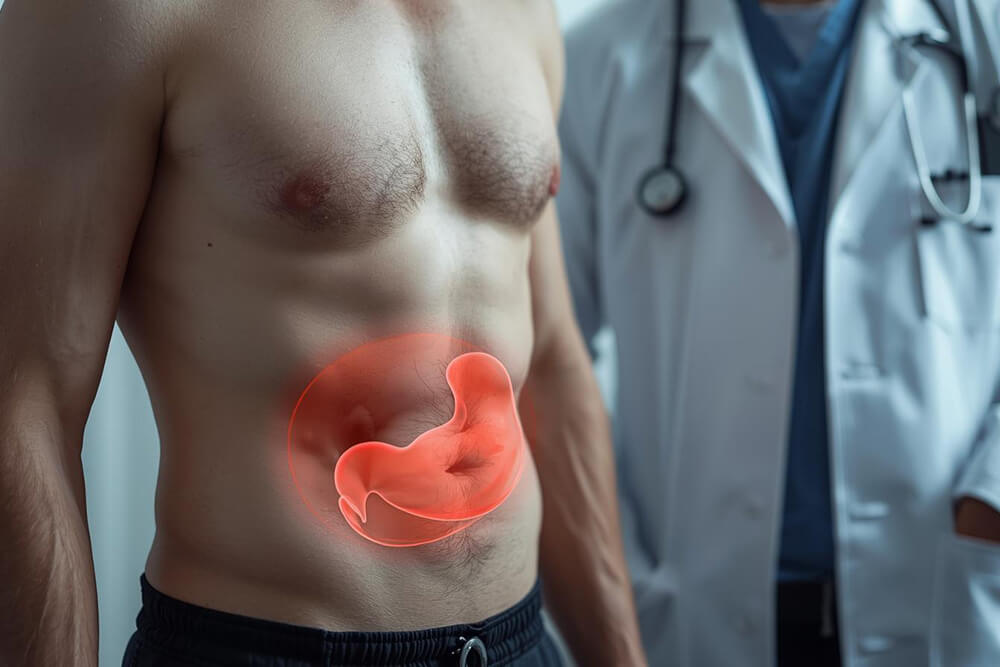
Gastritis develops when the protective lining of the stomach becomes inflamed. While many people associate gastritis with spicy food or occasional indigestion, the underlying causes are often more complex. In fact, both obvious and hidden triggers can damage the stomach lining over time, leading to persistent symptoms and complications.
Understanding what causes gastritis is critical. It not only helps in treating the condition but also plays a major role in preventing recurrence.
This guide explores the most common and overlooked causes of gastritis, giving you a complete picture of what may be affecting your digestive health.
How Gastritis Develops
The stomach is naturally protected by a thick mucus layer that shields it from strong digestive acids. Gastritis occurs when this protective barrier is weakened or disrupted.
When this happens:
- Stomach acid begins to irritate the lining
- Inflammation develops
- Symptoms such as pain, nausea, and bloating appear
This damage may happen suddenly or develop slowly over time depending on the cause.

Common Causes of Gastritis
These are the most well-known and frequently diagnosed triggers.
1. Bacterial Infection
One of the leading causes of gastritis worldwide is infection with Helicobacter pylori.
This bacterium:
- Weakens the stomach’s protective lining
- Increases inflammation
- Raises the risk of ulcers
Many people carry this bacteria without symptoms, but in some cases, it leads to chronic gastritis.
2. Frequent Use of Pain Medications
Long-term use of nonsteroidal anti-inflammatory drugs (NSAIDs), such as :contentReference[oaicite:0]{index=0}, is a major cause.
These medications:
- Reduce protective prostaglandins in the stomach
- Increase susceptibility to acid damage
- Can cause irritation even at normal doses
Regular use significantly raises the risk of both acute and chronic gastritis.
3. Excessive Alcohol Consumption
Alcohol is a direct irritant to the stomach lining.
It can:
- Erode the protective mucus layer
- Increase acid production
- Lead to inflammation and damage
Even moderate alcohol intake can worsen existing gastritis symptoms.
4. Chronic Stress
Stress is often underestimated as a cause of gastritis.
Severe stress can:
- Alter stomach acid production
- Affect digestion
- Increase inflammation
Physical stress from illness, surgery, or injury is particularly linked to gastritis.
5. Dietary Factors
Certain foods can trigger or worsen gastritis, especially when consumed regularly.
Common dietary triggers include:
- Spicy foods
- Fried or fatty meals
- Highly acidic foods
- Processed foods
While diet alone may not cause gastritis, it often aggravates underlying inflammation.
6. Autoimmune Conditions
In some cases, the immune system attacks the stomach lining.
This condition, known as autoimmune gastritis, leads to:
- Chronic inflammation
- Reduced acid production over time
- Vitamin deficiencies, especially B12
This type of gastritis develops slowly and may go unnoticed for years.
7. Bile Reflux
Bile reflux occurs when bile flows backward into the stomach from the small intestine.
Unlike acid reflux:
- It irritates the stomach lining directly
- Causes persistent inflammation
- Often does not respond to standard acid-reducing medications
8. Smoking
Smoking damages the stomach lining and slows healing.
It:
- Reduces blood flow to the stomach
- Weakens protective mechanisms
- Increases acid secretion
This makes gastritis more difficult to treat and more likely to recur.
9. Infections Beyond Bacteria
While Helicobacter pylori is the most common, other infections can also cause gastritis.
These include:
- Viral infections
- Fungal infections (especially in weakened immune systems)
Though less common, they can lead to significant inflammation.
10. Underlying Medical Conditions
Certain health conditions increase the risk of gastritis.
Examples include:
- Chronic kidney disease
- Liver disease
- Severe infections
These conditions may affect blood flow, immune response, or digestive function.
11. Aging
As people age, the stomach lining naturally becomes thinner.
This makes older adults:
- More vulnerable to irritation
- More sensitive to medications
- More prone to chronic gastritis
12. Excessive Caffeine Intake
Caffeine stimulates acid production in the stomach.
High intake may:
- Irritate the lining
- Worsen inflammation
- Trigger symptoms in sensitive individuals
Acute vs Chronic Gastritis Causes
Understanding the difference helps identify the root trigger.
Acute Gastritis Causes
- Alcohol overuse
- NSAIDs
- Severe stress
- Infections
This type develops suddenly and may resolve quickly with treatment.
Chronic Gastritis Causes
- Long-term Helicobacter pylori infection
- Autoimmune conditions
- Persistent lifestyle factors
Chronic gastritis develops slowly and may require ongoing management.
How Multiple Triggers Work Together
In many cases, gastritis is not caused by a single factor.
For example:
- A person with Helicobacter pylori infection who also uses NSAIDs
- Someone under chronic stress with poor dietary habits
These combined factors increase the severity and persistence of symptoms.
Why Identifying the Cause Matters
Treating gastritis without identifying the cause often leads to temporary relief rather than long-term resolution.
For example:
- Acid-reducing medications help symptoms
- But they do not eliminate bacterial infections
- Or address lifestyle triggers
A targeted approach is necessary for complete healing.

When to Seek Medical Evaluation
You should consult a doctor if you experience:
- Persistent stomach pain
- Frequent nausea or vomiting
- Loss of appetite
- Unexplained weight loss
- Signs of bleeding (vomiting blood or black stools)
Early diagnosis prevents complications and ensures appropriate treatment.
How Doctors Identify the Cause
Diagnosis focuses on identifying the underlying trigger.
Tests may include:
- Blood tests
- Stool tests
- Breath tests for Helicobacter pylori
- Imaging studies
- Endoscopy
An Upper Endoscopy allows direct examination of the stomach lining and helps confirm inflammation.
Treatment Depends on the Cause
Management varies depending on the trigger.
For Infections
Antibiotics are used to eliminate Helicobacter pylori.
For Acid-Related Irritation
Medications like :contentReference[oaicite:0]{index=0} reduce acid and promote healing.
For Lifestyle Causes
- Dietary changes
- Limiting alcohol and caffeine
- Stress management
For Medication-Induced Gastritis
Adjusting or stopping NSAIDs under medical supervision is essential.
Can Gastritis Be Prevented?
Yes, prevention focuses on reducing exposure to triggers.
Key steps include:
- Practicing good hygiene to avoid infections
- Using medications responsibly
- Maintaining a balanced diet
- Managing stress effectively
Key Takeaway
Gastritis is caused by a wide range of factors, from infections and medications to hidden triggers like stress and autoimmune conditions. Identifying the exact cause is essential for effective treatment. Addressing both common and overlooked triggers helps prevent recurrence and protects long-term digestive health.