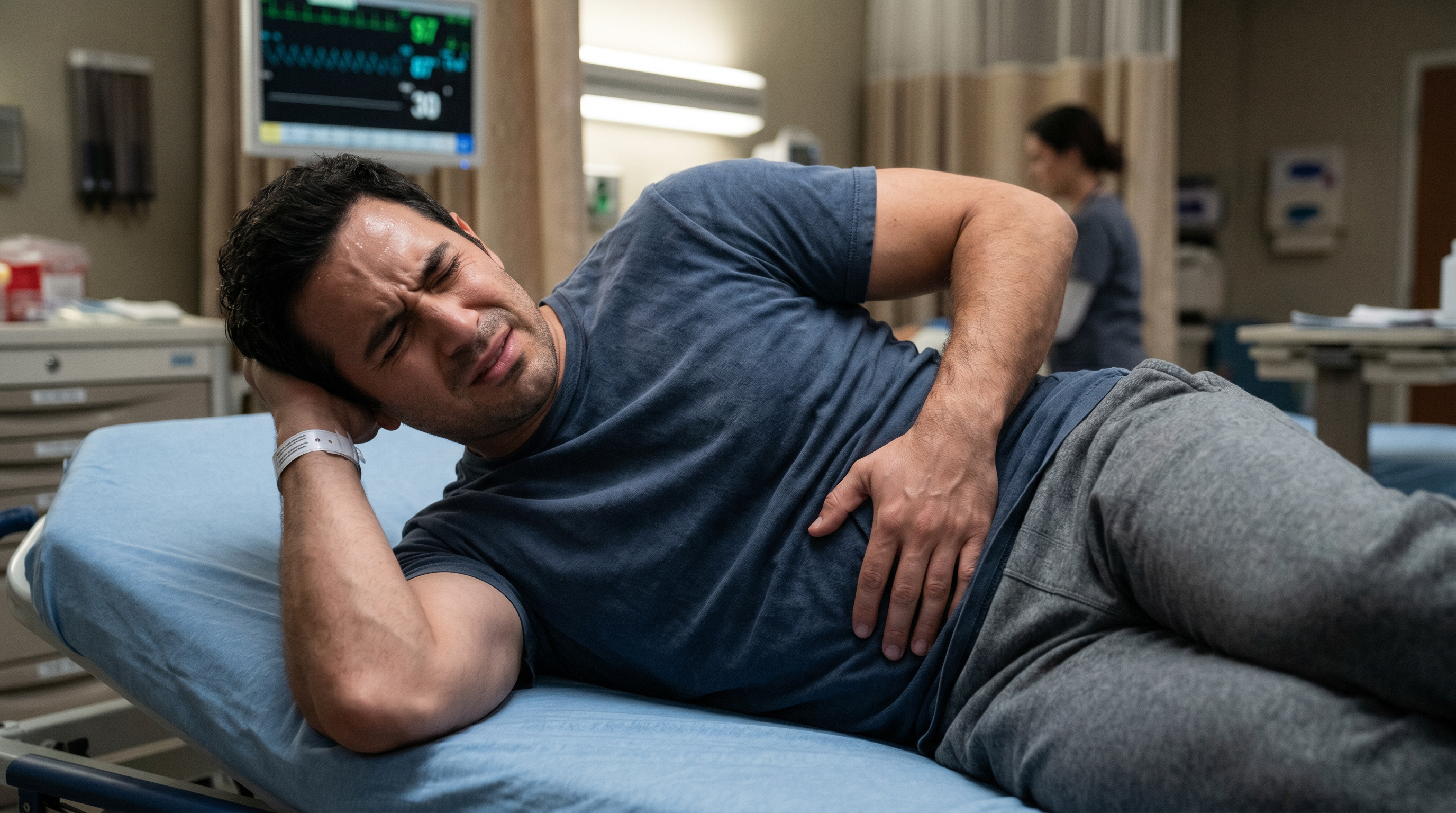
Most people associate appendicitis with sharp abdominal pain, but the condition can also affect bowel movements. Some individuals experience diarrhea, while others develop constipation. These symptoms can be confusing because they are commonly linked to less serious digestive issues.
This overlap is one of the main reasons appendicitis is sometimes misdiagnosed or overlooked in its early stages.
Understanding how appendicitis affects the digestive system can help you recognize when bowel changes are harmless—and when they may signal a medical emergency.

What is Appendicitis?
Appendicitis is inflammation of the appendix, a small pouch located in the lower right abdomen.
It usually occurs when the appendix becomes blocked due to:
- Stool buildup
- Infection
- Swelling
Once blocked, bacteria multiply, leading to infection and increasing pressure inside the appendix. If untreated, it may require surgical removal through an Appendectomy.
Can Appendicitis Cause Changes in Bowel Movements?
Yes, appendicitis can cause both diarrhea and constipation.
However:
- These symptoms are not always present
- They are often mild
- They can be misleading
The key is understanding how they relate to other symptoms.
Why Appendicitis Affects Bowel Movements
Appendicitis does not directly affect the colon, but it influences nearby digestive structures.
Irritation of the Intestines
The inflamed appendix can irritate surrounding intestinal tissue.
This may lead to:
- Increased bowel activity, such as diarrhea
- Slowed movement, such as constipation
Disruption of Normal Digestion
Inflammation affects how the intestines move food.
This can result in:
- Irregular bowel movements
- Difficulty passing stool
Pressure and Swelling
As the appendix swells:
- It may affect nearby bowel function
- It can create discomfort that alters digestion
Appendicitis and Diarrhea
How Diarrhea Occurs
Diarrhea may develop when inflammation irritates the lower intestines.
It is more likely when:
- The appendix is located closer to the colon
- Inflammation affects bowel motility
What It Feels Like
- Loose stools
- Frequent bowel movements
- Mild abdominal discomfort
Why It Can Be Misleading
Diarrhea often makes people think of:
- Food poisoning
- Viral infection
This can delay diagnosis of appendicitis.
Appendicitis and Constipation
How Constipation Occurs
Constipation may happen due to slowed intestinal movement.
This can be caused by:
- Pain limiting movement
- Inflammation disrupting bowel activity
What It Feels Like
- Difficulty passing stool
- Feeling of incomplete evacuation
- Abdominal discomfort
Why It Can Be Confusing
Constipation is common and often ignored, leading people to underestimate the seriousness of their symptoms.
Key Difference: Appendicitis vs Normal Digestive Issues
Typical Digestive Problems
- Diarrhea or constipation occurs alone
- Symptoms improve over time
- No severe localized pain
Appendicitis-Related Changes
- Bowel changes occur with abdominal pain
- Pain worsens over time
- Symptoms do not improve
Pain is the Most Important Clue
Bowel changes alone are not enough to diagnose appendicitis.
Appendicitis Pain Pattern
- Starts near the belly button
- Moves to the lower right abdomen
- Becomes sharp and constant
Gas or Digestive Pain
- Moves around
- Improves after passing gas or stool
When Diarrhea or Constipation Becomes Dangerous
Seek immediate medical attention if bowel changes occur with:
- Severe abdominal pain
- Pain localized to the lower right side
- Fever
- Nausea or vomiting
- Pain that worsens over time
These symptoms may indicate appendicitis.
Can You Still Pass Stool with Appendicitis?
Yes, some people can still have bowel movements.
This is why appendicitis is often misunderstood.
Passing stool does NOT rule out appendicitis.
Why Misdiagnosis Happens
Appendicitis can mimic common conditions such as:
- Gastroenteritis
- Food poisoning
- Irritable bowel syndrome
Because of this overlap, diagnosis may be delayed.
What Happens If You Ignore These Symptoms?
Ignoring symptoms can lead to:
- Worsening inflammation
- Ruptured appendix
- Severe infection
Early treatment prevents these complications.
How Doctors Diagnose Appendicitis
Doctors use a combination of:
- Physical examination
- Blood tests
- Imaging, such as CT scan or ultrasound
Bowel changes are considered along with other symptoms.
Treatment for Appendicitis
Standard Treatment
The primary treatment is surgical removal via Appendectomy.
Why Surgery is Necessary
- Removes infection source
- Prevents rupture
- Provides permanent solution
When to Go to the ER
Go immediately if you have:
- Severe or worsening abdominal pain
- Pain on the right side
- Fever with bowel changes
- Persistent vomiting
These signs require urgent evaluation.

Role of Specialist Evaluation
If symptoms are unclear but persistent, early diagnosis is critical.
Clinics like GastroDoxs provide advanced diagnostic tools to evaluate abdominal pain and determine whether symptoms are related to appendicitis or other digestive conditions.
Key Takeaway
Appendicitis can cause both diarrhea and constipation, but these symptoms alone are not enough to diagnose the condition.
When bowel changes occur along with worsening abdominal pain-especially on the lower right side-they may signal appendicitis and require immediate medical attention.