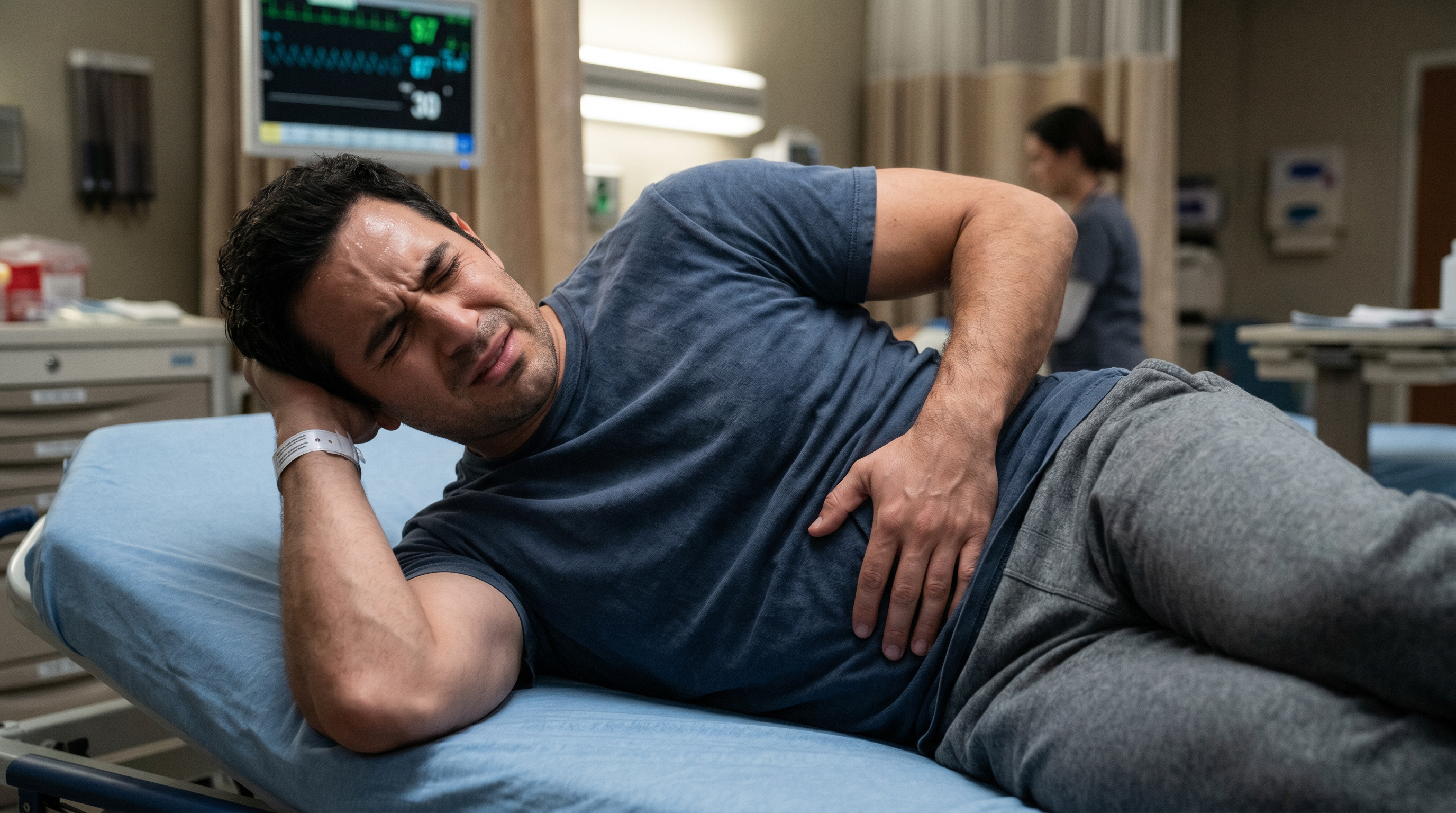
Appendicitis is one of the most common surgical emergencies, yet many people hesitate to seek immediate care. A common question is whether appendicitis can resolve on its own without treatment.
The short answer is no—not safely or reliably.
While symptoms may sometimes improve temporarily, this does not mean the condition has healed. In many cases, it can worsen silently and lead to serious complications.
This blog breaks down the myth, explains what really happens, and helps you understand when to act.

What is Appendicitis?
Appendicitis is inflammation of the appendix, a small pouch attached to the large intestine.
It usually develops when the appendix becomes blocked due to:
- Stool buildup
- Infection
- Swelling
Once blocked, bacteria multiply, causing pressure, swelling, and infection. Without treatment, this process continues to worsen.
The Myth: Can Appendicitis Heal Naturally?
Some people believe appendicitis can go away with rest, diet changes, or home remedies.
This belief comes from:
- Temporary symptom relief
- Mild early symptoms
- Misdiagnosis of other conditions
However, true appendicitis does not resolve on its own in most cases.
Why Appendicitis Does NOT Go Away on Its Own
The Underlying Blockage Remains
The appendix becomes inflamed because it is blocked.
Without treatment:
- The blockage is not removed
- Pressure continues to build
- Infection worsens
Bacteria Continue to Multiply
Once infection begins, bacteria grow rapidly inside the appendix.
This leads to:
- Increased swelling
- Reduced blood flow
- Tissue damage
Risk of Rupture Increases Over Time
As pressure builds, the appendix wall weakens.
Eventually, it may burst, requiring emergency treatment such as an Appendectomy.
Why Symptoms May Seem to Improve
This is where confusion happens.
Temporary Pain Relief
In some cases:
- Pain may decrease briefly
- Symptoms may seem less severe
What This Actually Means
This does NOT mean healing.
It may indicate:
- Reduced pressure before rupture
- Nerve changes
- Progression to a more serious stage
This false improvement can delay treatment and increase risk.
Rare Cases: Can Mild Appendicitis Improve?
In very rare cases, early or mild appendicitis may temporarily improve with antibiotics.
However:
- The condition often returns
- The risk of recurrence remains high
- Surgery is still usually required
Doctors do not rely on spontaneous recovery as a safe option.
What Happens If You Wait?
Delaying treatment can lead to serious complications.
Worsening Infection
The appendix continues to swell and become infected.
Ruptured Appendix
A rupture spreads infection into the abdomen.
Peritonitis
Infection of the abdominal lining causes severe illness.
Sepsis
Infection can spread into the bloodstream, becoming life-threatening.
Warning Signs You Should NOT Ignore
Seek immediate medical attention if you experience:
- Pain moving to the lower right abdomen
- Pain worsening over time
- Fever
- Nausea and vomiting
- Loss of appetite
These symptoms indicate appendicitis that requires urgent care.
Why Early Treatment is Safer
Early treatment leads to:
- Simpler surgery
- Faster recovery
- Lower risk of complications
Waiting increases the complexity and risk of treatment.
How Appendicitis is Treated
Standard Treatment
The most effective treatment is removal of the appendix through an Appendectomy.
Why Surgery is Preferred
- Removes the source of infection
- Prevents recurrence
- Provides permanent solution
Role of Antibiotics
Antibiotics may be used:
- Before surgery
- In selected mild cases
However, they are not a long-term solution.
Can You Manage Symptoms at Home?
Home remedies may temporarily reduce discomfort, but they do not treat appendicitis.
Temporary Relief May Come From:
- Rest
- Avoiding heavy meals
But These Do NOT:
- Remove the blockage
- Stop infection
- Prevent rupture

When to Go to the ER
Seek Emergency Care If You Have:
- Severe abdominal pain
- Pain localized to the right side
- Persistent vomiting
- Fever with pain
- Sudden worsening of symptoms
Appendicitis should always be treated as urgent.
Why Ignoring Symptoms is Dangerous
Ignoring appendicitis can lead to:
- Life-threatening complications
- Emergency surgery
- Longer recovery
Early action saves time, reduces risk, and improves outcomes.
Role of Specialist Evaluation
Prompt diagnosis is essential.
Clinics like GastroDoxs provide advanced diagnostic tools to confirm appendicitis early and guide appropriate treatment.
Key Takeaway
Appendicitis does not safely go away on its own. While symptoms may temporarily improve, the underlying condition continues to worsen.
Delaying treatment increases the risk of rupture and serious complications. Immediate medical evaluation is essential for safe and effective care.