
Introduction: Trouble Swallowing in Katy, TX – Why It Matters
For residents of Katy, TX, trouble swallowing (also known as dysphagia) can be more than just a minor inconvenience – it can be a serious health issue. Dysphagia can interfere with eating, drinking, and even speaking, and if left untreated, it can lead to malnutrition, dehydration, and social isolation. Whether caused by GERD, neurological conditions, esophageal narrowing, or age-related changes, difficulty swallowing can significantly impact your quality of life.
The good news is that dietary changes can make a significant difference in preventing and managing dysphagia. By choosing the right foods, Katy residents can help alleviate the discomfort of swallowing and promote overall digestive health.
In this blog, we'll explore 10 foods that are not only nutritious but also swallowing-friendly, making them ideal choices for anyone looking to prevent or manage swallowing issues in Katy, TX. From soft foods to moisture-rich options, these foods will help reduce the strain on your esophagus and throat muscles, promoting a smoother and safer swallowing experience.
1. Soft and Moist Foods: Mashed Potatoes and Sweet Potatoes
When it comes to trouble swallowing, soft and moist foods are among the best choices, as they require minimal effort to swallow. In Katy, TX, many people with dysphagia benefit from foods that are easy to chew and swallow without irritation or discomfort.
Why Mashed Potatoes and Sweet Potatoes?
Both mashed potatoes and sweet potatoes are easy to prepare and full of essential nutrients. These foods are naturally soft and can be made moist by adding milk or broth. They are also versatile – you can season them in various ways to suit your tastes.
- Mashed potatoes provide a great source of potassium, which helps maintain heart health and proper muscle function.
- Sweet potatoes are packed with vitamin A and fiber, making them an excellent choice for maintaining digestive health.
The smooth texture ensures they pass easily down the esophagus, reducing the risk of food getting stuck in the throat.
How to Make Them More Swallowing-Friendly
- Add moisture: Use milk, cream, or butter to make the potatoes extra smooth.
- Avoid lumps: Mash the potatoes thoroughly to avoid any uneven texture that might make swallowing more difficult.
2. Applesauce and Other Pureed Fruits
For those with difficulty swallowing, pureed fruits like applesauce are perfect options. They are smooth, easy to swallow, and packed with vitamins and fiber, making them both nutritious and swallowing-friendly.
Why Applesauce and Pureed Fruits?
Applesauce is a great choice for residents of Katy, TX, due to its soft texture and mild flavor. Rich in fiber, vitamin C, and antioxidants, applesauce is a healthy snack that helps with digestion and overall health. Similarly, pureed fruits like peaches, mangoes, and bananas provide a smooth, moist texture that is much easier to swallow than whole fruits.
How to Make Them More Swallowing-Friendly
- Make your own: Homemade applesauce without added sugar is a better alternative to store-bought versions that often contain preservatives.
- Serve chilled: Many people find that cold applesauce feels more soothing when swallowing.
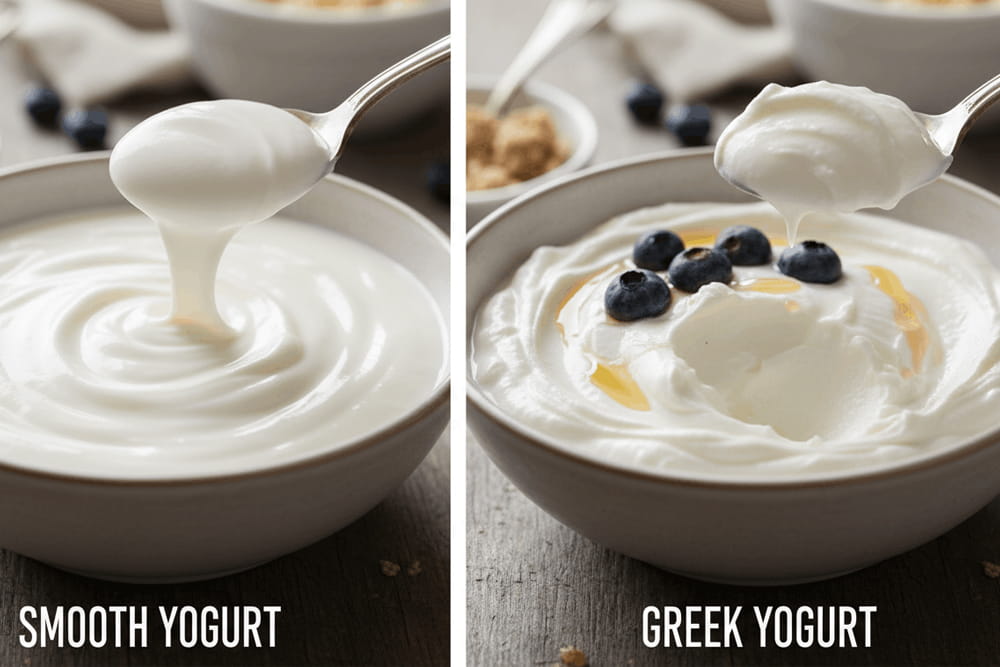
3. Smooth Yogurt and Greek Yogurt
Yogurt is another excellent option for those struggling with dysphagia, as it’s smooth, creamy, and easy to swallow. It also provides calcium, protein, and probiotics, which are beneficial for digestive and bone health.
Why Smooth Yogurt and Greek Yogurt?
For Katy residents, smooth yogurt is a great choice to add to your diet because it requires minimal chewing and passes easily down the throat. Greek yogurt, in particular, is thicker and higher in protein, making it a nutritious and filling option. The creaminess of yogurt helps coat the throat, making swallowing easier for those with oropharyngeal dysphagia.
Probiotic-rich yogurt can also help maintain a healthy balance of gut bacteria, which is important for overall digestive health.
How to Make It More Swallowing-Friendly
- Add pureed fruits: For added flavor and nutrition, blend in some of the pureed fruits we mentioned earlier.
- Use without added sugar: Opt for unsweetened versions of yogurt to avoid irritation to your esophagus.
4. Scrambled Eggs and Omelets
Eggs are one of the best sources of protein, and they’re also easy to swallow when prepared correctly. For those dealing with difficulty swallowing, scrambled eggs and omelets offer a soft, moist texture that’s easy to chew and swallow.
Why Scrambled Eggs and Omelets?
Scrambled eggs are a great high-protein food that’s easy to prepare and swallow. Eggs are packed with vitamins B12 and D, and they’re also relatively low in calories. Additionally, they’re rich in essential amino acids, which are important for muscle repair and function.
For extra moisture, you can add a little cheese or milk to make the eggs creamier, which can help reduce any difficulty when swallowing.
How to Make Them More Swallowing-Friendly
- Scramble lightly: Don’t overcook the eggs. The texture should be soft, not dry.
- Add moisture: Adding a little cheese or cream can make scrambled eggs more swallowing-friendly.
5. Soups and Broths
Soups are another excellent choice for Katy residents struggling with dysphagia. Since soups are typically served with a lot of liquid, they are great for staying hydrated and getting a lot of nutrition without much effort.
Why Soups and Broths?
Soups made from pureed vegetables, chicken broth, or vegetable stock are soothing and easy to swallow, especially when they are not too hot or too chunky. Additionally, they can be loaded with vitamins, minerals, and protein depending on the ingredients.
Soups are a great way to add in a variety of foods that are easy to eat and also provide a good amount of fluid. They can also be made in advance and stored for convenience.
How to Make Them More Swallowing-Friendly
- Strain for smoothness: Use a blender or strainer to remove any chunks or hard pieces of vegetables.
- Avoid very hot temperatures: Let the soup cool to a safe and comfortable temperature before eating.
6. Avocados
Avocados are a great option for those who want a creamy, easy-to-swallow food that’s also packed with nutrients. They are rich in healthy fats, fiber, and vitamins that support heart health and digestion.
Why Avocados?
Avocados are naturally creamy and soft, making them perfect for people with dysphagia. The high content of monounsaturated fats can help lubricate the throat and reduce the strain on swallowing. Additionally, the fiber in avocados can help support healthy digestion.
How to Make Them More Swallowing-Friendly
- Mash or puree: Mashing or blending avocados makes them even easier to swallow.
- Mix with other soft foods: Avocados can be combined with yogurt or pureed fruits for added texture and flavor.
7. Smooth Nut Butters
Nut butters, such as peanut butter or almond butter, are another great choice for people with dysphagia. They are rich in protein, healthy fats, and vitamins, making them an excellent addition to a swallowing-friendly diet.
Why Smooth Nut Butters?
Nut butters provide an easy-to-swallow texture, especially when they're smooth. They offer a high-protein snack that can help you stay full and satisfied. Peanut butter is also rich in vitamin E, which supports immune health.
How to Make Them More Swallowing-Friendly
- Choose smooth options: Opt for smooth nut butters instead of chunky versions to avoid any risk of getting stuck.
- Add moisture: Combine with a bit of honey or milk to soften the consistency if needed.
8. Puddings and Custards
Puddings and custards are creamy, moist, and easy to swallow, making them great for those who struggle with trouble swallowing.
Why Puddings and Custards?
These soft, smooth-textured foods are packed with calcium and protein, essential for maintaining healthy bones and muscles. The velvety texture ensures they slide easily down the throat without causing discomfort.
How to Make Them More Swallowing-Friendly
- Avoid overly thick: Make sure the consistency is smooth but not too thick.
- Use unsweetened options: Opt for low-sugar versions to minimize irritation.

9. Soft, Ripe Bananas
Bananas are a wonderful choice for people with dysphagia, as they are soft, moist, and easy to digest. They are packed with potassium and fiber, both of which are important for overall digestive health.
Why Bananas?
Ripe bananas have a naturally smooth texture that requires minimal chewing, making them ideal for those with trouble swallowing. They are also easily available in Katy, and their natural sweetness makes them a favorite for many.
How to Make Them More Swallowing-Friendly
- Mash for extra smoothness: If necessary, mash the bananas to further ease swallowing.
- Combine with other soft foods: Blend bananas with yogurt or pureed fruit for added flavor and nutrition.
10. Steamed or Pureed Vegetables
For people with difficulty swallowing, steamed or pureed vegetables are an excellent way to include important vitamins and minerals without causing discomfort. Vegetables such as carrots, spinach, sweet potatoes, and zucchini are easy to cook and blend into a smooth consistency.
Why Steamed or Pureed Vegetables?
Steaming vegetables makes them tender, and pureeing them removes any chunks that might be difficult to swallow. These vegetables are loaded with essential nutrients and fiber, which support a healthy digestive system.
How to Make Them More Swallowing-Friendly
- Puree or mash: For an extra smooth consistency, blend or mash vegetables after steaming.
- Add moisture: Use vegetable broth or olive oil to make the consistency creamier.
Conclusion: Swallowing-Friendly Foods for Katy Residents
If you're struggling with difficulty swallowing or dysphagia, incorporating the right foods into your diet can make a significant difference in your daily life. The 10 foods we've discussed in this blog are not only nutritious but also easy to swallow, making them great choices for Katy, TX residents who want to prevent swallowing difficulties.
By focusing on foods that are soft, moist, and easily digestible, you can reduce the strain on your throat muscles and esophagus, leading to a smoother, more comfortable eating experience.
If you're experiencing persistent swallowing difficulties, make sure to consult with a local gastroenterologist or speech therapist in Katy, TX to develop a personalized treatment plan.