Left side abdominal pain is a common issue that can vary greatly in terms of intensity and underlying causes. The pain could range from mild discomfort to severe cramping, and it may signal a variety of conditions affecting the digestive system, kidneys, or reproductive organs.
Understanding the cause of left side abdominal pain is essential for determining whether the pain is something minor or if it’s a symptom of a more serious health issue. While some cases of left side pain are temporary and self-limiting, others may require medical intervention.
In this comprehensive guide, we will explore the causes of left side abdominal pain, how to recognize when it's serious, the symptoms associated with each condition, and when to seek medical care. We will also provide treatment options and preventative tips.
What Are the Most Common Causes of Left Side Abdominal Pain?
Pain in the left side of the abdomen can arise from a variety of conditions affecting different organs and systems in the body. The most common causes include digestive issues, kidney problems, and issues related to the reproductive system.
1. Digestive Issues: Could Gas, IBS, or Diverticulitis Be the Culprit?
Many digestive issues can cause discomfort in the left side of the abdomen. The colon, which is located on the left side of the abdomen, can be affected by a number of conditions, such as irritable bowel syndrome (IBS), gas buildup, and diverticulitis.
Irritable Bowel Syndrome (IBS)
IBS is a chronic gastrointestinal disorder that causes abdominal pain, bloating, and changes in bowel habits. Left side pain is common in individuals with IBS, especially during flare-ups. It can be triggered by certain foods, stress, or other factors.
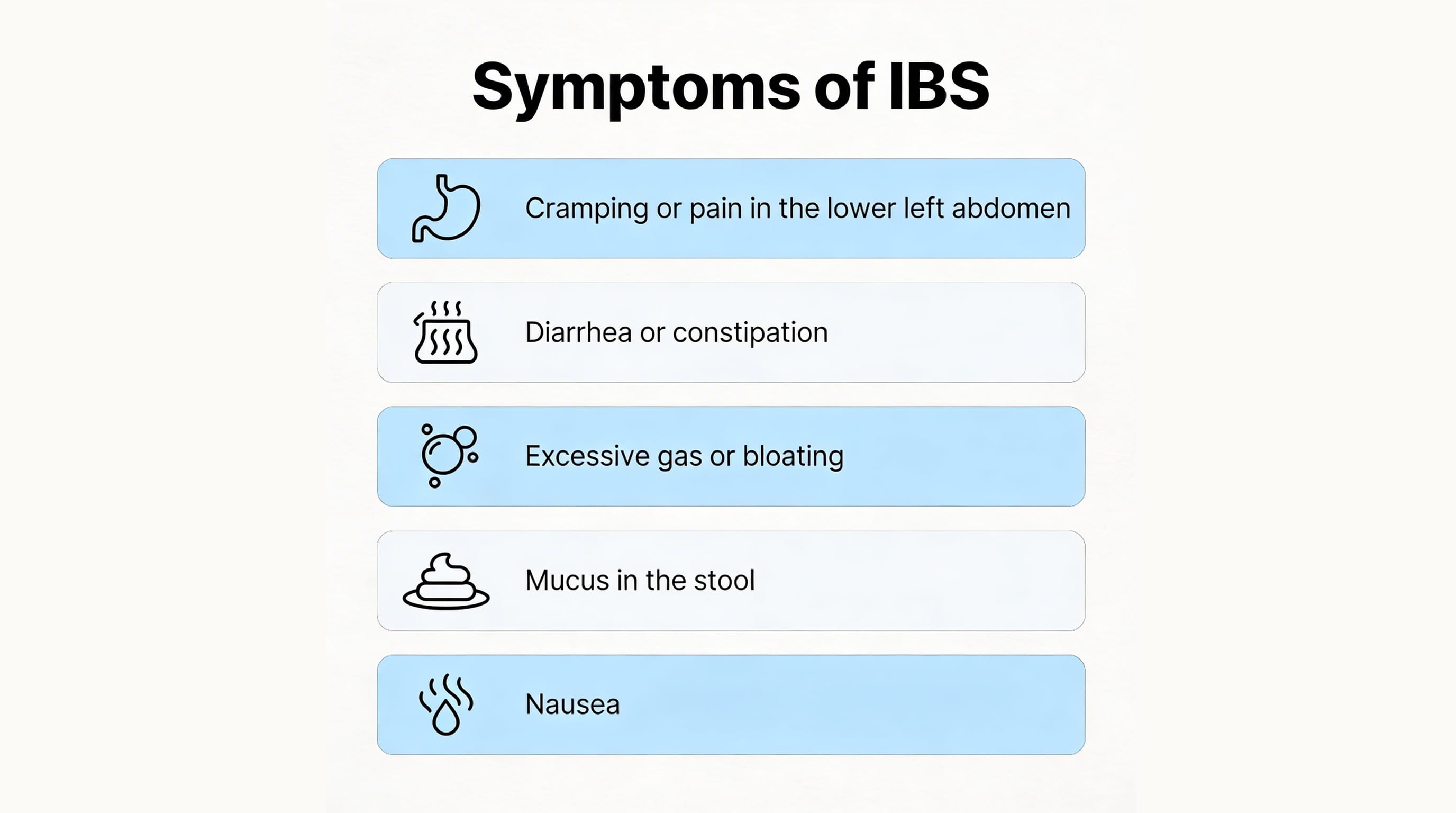
Symptoms of IBS:
- Cramping or pain in the lower left abdomen
- Diarrhea or constipation
- Excessive gas or bloating
- Mucus in the stool
- Nausea
IBS can be managed with dietary changes, medications, and stress management techniques.
Gas and Bloating
Excessive gas can accumulate in the digestive system, causing discomfort and pain in the left side of the abdomen. Gas is typically caused by swallowing air while eating, consuming carbonated drinks, or digesting certain foods like beans and cruciferous vegetables (e.g., broccoli, cabbage).
Symptoms of Gas Buildup:
- Feeling of fullness or bloating
- Burping or flatulence
- Abdominal cramps or sharp pain
- Relief after passing gas
This type of pain is generally temporary and can be managed by adjusting your diet, eating smaller meals, and drinking plenty of water.
Diverticulitis:
Diverticulitis occurs when small pouches in the colon (diverticula) become inflamed or infected. This condition is more common in older adults and can cause sharp, severe pain in the lower left abdomen. The pain is often accompanied by fever, nausea, and changes in bowel movements.
Symptoms of Diverticulitis:
- Sudden, sharp pain in the lower left abdomen
- Fever
- Nausea or vomiting
- Changes in bowel habits (diarrhea or constipation)
- Abdominal tenderness
Diverticulitis can be treated with antibiotics, but in severe cases, surgery may be required.
2. Kidney Issues: Could a Kidney Stone Be the Cause of Left Side Abdominal Pain?
The kidneys are located on either side of the abdomen, and kidney stones can cause pain on the left side if the stone is in the left kidney or ureter. Kidney stones are hard deposits of minerals and salts that form in the kidneys and can cause sudden, severe pain as they move through the urinary tract.
Symptoms of Kidney Stones:
- Sudden, intense pain in the lower abdomen or back
- Painful urination
- Blood in the urine
- Nausea and vomiting
- Frequent urge to urinate
Kidney stones can often pass on their own, but larger stones may require medical procedures, such as lithotripsy (shockwave therapy) or surgery.
3. Ovarian Cysts: Can They Cause Pain on the Left Side?
For women, ovarian cysts can cause pain on the left side if the cyst forms on the left ovary. Ovarian cysts are fluid-filled sacs that develop on the ovaries. Most cysts don’t cause symptoms, but if they grow large, rupture, or become twisted, they can cause sudden, sharp pain on one side of the abdomen.
Symptoms of Ovarian Cysts:
- Sudden, sharp pain on one side of the lower abdomen
- Bloating or fullness
- Pain during intercourse
- Irregular periods
- Nausea and vomiting (if the cyst ruptures)
Ovarian cysts are often diagnosed using ultrasound, and in some cases, surgery may be needed to remove large or problematic cysts.
4. Hernias: How Do They Cause Left Side Abdominal Pain?
A hernia occurs when an organ or tissue pushes through a weak spot in the abdominal wall or muscle. If a hernia develops on the left side, it can cause localized pain or discomfort in the abdomen. The pain may worsen when lifting, coughing, or straining.
Symptoms of a Hernia:
- A bulge or lump in the abdomen or groin
- Pain or discomfort when lifting, bending, or coughing
- Nausea or vomiting (if the hernia becomes incarcerated)
- Inability to reduce the bulge back into the abdomen
If a hernia becomes incarcerated (where the tissue is trapped and blood flow is compromised), it requires immediate surgery to prevent complications.
5. Inflammatory Bowel Disease (IBD): Could Crohn’s or Ulcerative Colitis Be the Cause?
Inflammatory Bowel Disease (IBD) is a group of chronic conditions that cause inflammation in the digestive tract, including Crohn’s disease and ulcerative colitis. IBD can cause persistent lower left abdominal pain, diarrhea, weight loss, and fatigue.
Symptoms of IBD:
- Abdominal cramps or pain in the lower left abdomen
- Diarrhea (often with blood or mucus)
- Weight loss
- Fatigue
- Fever
While IBD is a lifelong condition, it can be managed with medications, dietary changes, and sometimes surgery.
6. Constipation: Can It Lead to Left Side Abdominal Pain?
Constipation is a common cause of left side abdominal pain, especially if the stool becomes hard and impacted in the colon. When the digestive system struggles to move stool through the intestines, it can cause discomfort, bloating, and pain in the lower abdomen.
Symptoms of Constipation:
- Infrequent bowel movements
- Difficulty passing stool
- Abdominal bloating or fullness
- Painful bowel movements
- Nausea
Increasing fiber intake, drinking plenty of fluids, and exercising regularly can help alleviate constipation-related pain.
When Should You Seek Medical Attention for Left Side Abdominal Pain?
While most cases of left side abdominal pain are not life-threatening, there are situations when you should seek medical attention:
- Severe or sudden pain that does not improve
- Pain that worsens over time
- Pain accompanied by fever, nausea, vomiting, or blood in the stool
- Pain that radiates to your back or chest
- Inability to pass gas or have a bowel movement
- Changes in bowel movements (e.g., blood, diarrhea, or constipation)
If you experience any of these symptoms, it’s important to see a healthcare provider as soon as possible to rule out serious conditions like diverticulitis, ovarian cyst rupture, or kidney stones.
How Is Left Side Abdominal Pain Diagnosed?
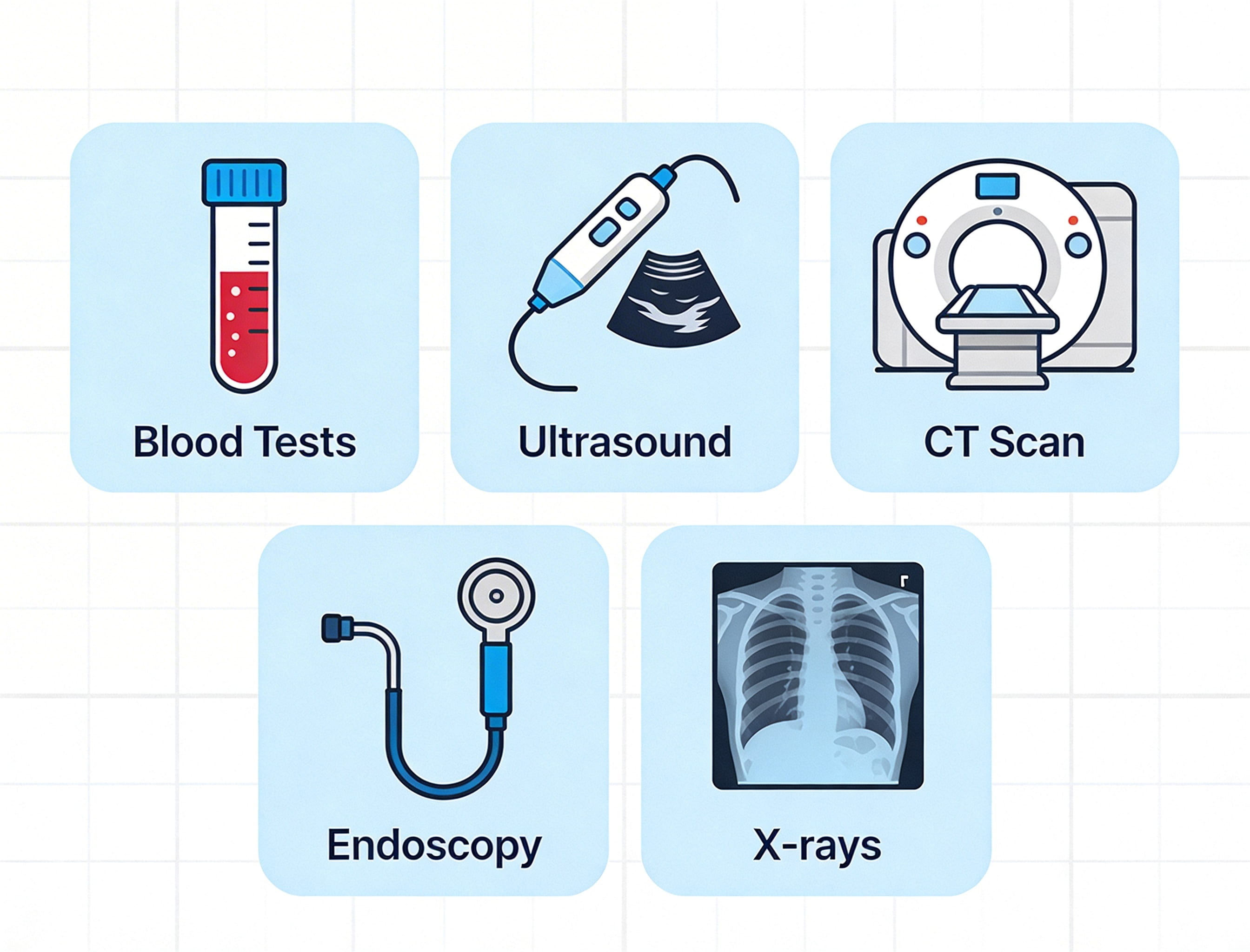
To diagnose the underlying cause of left side abdominal pain, your doctor will likely perform a physical examination and take a detailed medical history. They may recommend the following tests:
1. Blood Tests
Blood tests can help detect infections, inflammation, or signs of organ dysfunction. For example, liver function tests can help identify liver disease, while a complete blood count (CBC) can indicate an infection.
2. Ultrasound
An ultrasound can provide images of the abdominal organs, helping to detect conditions like ovarian cysts, gallstones, or kidney stones.
3. CT Scan
A CT scan provides more detailed images of the abdomen and can help diagnose conditions like diverticulitis, appendicitis, or inflammatory bowel disease.
4. Endoscopy
An endoscopy involves inserting a flexible tube with a camera into the digestive tract to examine the stomach, small intestine, and colon. This is useful for diagnosing conditions like ulcerative colitis or Crohn’s disease.
5. X-rays
An X-ray can help detect issues like intestinal blockages, hernia, or diverticulitis.
Treatment for Left Side Abdominal Pain
The treatment for left side abdominal pain depends on the underlying cause. Below are some common treatment approaches:
1. Medications
- Antacids or proton pump inhibitors (PPIs): For acid reflux or gastritis.
- Antibiotics: For infections like diverticulitis or UTIs.
- Pain relievers: For mild pain or discomfort.
- Anti-inflammatory drugs: For IBD or diverticulitis.
2. Surgery
- Hernia repair surgery: For severe or incarcerated hernias.
- Cholecystectomy: For gallstone removal.
- Ovarian cyst removal: For large or problematic cysts.
- Surgery for diverticulitis: In severe cases.
3. Lifestyle Changes
- Dietary changes: A high-fiber diet can help prevent constipation and manage IBD.
- Hydration: Drink plenty of water to prevent constipation.
- Exercise: Regular physical activity can improve digestion and reduce bloating.
- Stress management: Reducing stress can help alleviate IBS and other digestive issues.
Prevention of Left Side Abdominal Pain
While not all causes of left side abdominal pain are preventable, making the following lifestyle adjustments can help reduce your risk:
- Eat a high-fiber diet: To prevent constipation.
- Drink plenty of water: To support digestive health.
- Exercise regularly: To maintain healthy digestion.
- Avoid overeating or consuming heavy, fatty meals: To reduce digestive strain.
- Manage stress: Through relaxation techniques like yoga or meditation.